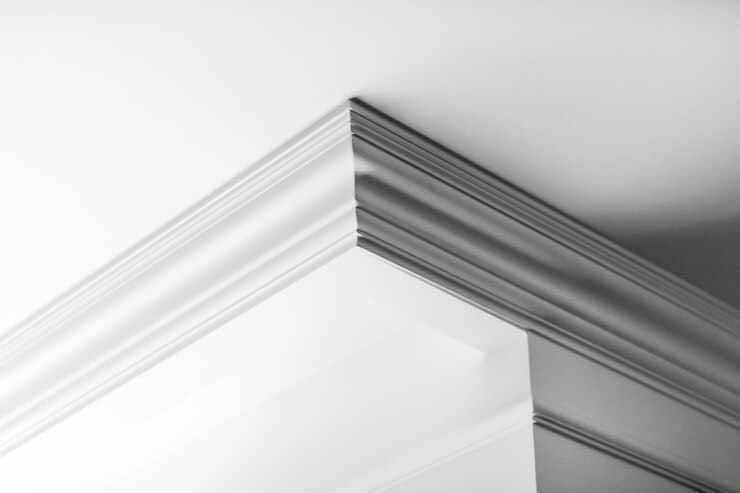
Laying aluminum corners
Laying Aluminum Corners
Aluminum corner beads are a small detail that makes a big difference in the final look and durability of a room. They protect outside corners from dents and cracks, keep lines straight, and create a clean edge for painting, wallpaper, or decorative finishes. Our team lays aluminum corners with careful measuring, secure fixing, and precise plastering so the corners stay sharp and stable for years.
Whether you are renovating a single room or finishing a full property, properly installed corner beads help walls resist everyday wear from furniture, doors, and foot traffic. We work on plasterboard, gypsum surfaces, and traditional plaster, adapting the method to the condition of the substrate and the finishing system you choose.
Where Aluminum Corner Beads Are Used
We install aluminum corners anywhere an external edge needs reinforcement and a straight reference line for finishing. This includes newly built partitions and repaired corners that have chipped or become uneven over time.
- Drywall and plasterboard corners in living rooms, bedrooms, corridors, and offices.
- Window and door reveals where crisp lines improve the appearance of frames and architraves.
- Columns, boxed in services, and soffits to maintain symmetry and prevent edge damage.
- High traffic areas such as hallways, stairwells, schools, and commercial spaces.
If your project includes broader interior works like partitions or ceiling framing, we can coordinate corner installation with related wall and ceiling construction tasks so the finishing stages run smoothly and on schedule.
Our Installation Process
Assessment and Preparation
We start by checking corner alignment, substrate strength, and moisture conditions. Loose plaster is removed, dust is cleaned away, and any movement or cracking is addressed before corners are installed. Good preparation prevents future failure and helps the bead sit straight without waves.
Cutting, Setting, and Fixing
Aluminum beads are cut cleanly to length and dry fitted to confirm alignment. Depending on the surface and system, we fix the bead using suitable adhesive or plaster, and where needed we use mechanical fasteners for extra stability. We continually verify plumb and straightness, since even slight errors become visible once the walls are painted.
Embedding and Finishing
After the bead is set, we embed it with the correct compound in thin, controlled layers. Edges are feathered out so the corner transitions smoothly into the wall plane without ridges. Once cured, the surface is sanded and checked under raking light to ensure crisp lines and a uniform finish ready for priming and decoration.
Why Professional Corner Installation Matters
Installing corner beads looks simple, but the results depend on technique, timing, and material choice. Poorly set corners often show through paint, crack at the edge, or get knocked loose. Professional installation gives you corners that look straight from every angle and stay protected when the space is in use.
- Sharper geometry for modern interiors and clean architectural lines.
- Improved impact resistance to reduce future repairs and touch ups.
- Better finishing quality with smoother plaster transitions and fewer visible seams.
- Compatibility with your system including skim coats, gypsum plasters, and ready mix compounds.
For clients combining corner work with partitions or ceilings, we can align bead placement with drywall ceiling installation and other interior stages so corners, joints, and planes meet cleanly.
Materials, Options, and Site Standards
We select aluminum corners based on the location and finishing plan. Standard external corners are used for most wall edges, while specialized profiles can be chosen for tighter reveals or specific detailing. In areas exposed to frequent contact, we prioritize profiles that provide stronger reinforcement while still allowing a smooth skim.
We keep the jobsite tidy and protect floors, frames, and adjacent finished surfaces. Drying times are respected to avoid shrinkage cracks, and we schedule sanding and touch ups to minimize dust in occupied properties. If you have ongoing interior build works, we can plan the sequence alongside interior partition installation so finishing is efficient and consistent throughout the space.
What to Expect When You Book
- On site review of corners, substrates, and required profiles.
- Clear scope covering quantities, corner types, and finish level.
- Precise installation with straightness checks at each step.
- Ready to decorate finish that supports long lasting paint or wallpaper results.
If you want corners that are straight, durable, and visually clean, we are ready to help with careful aluminum corner laying that elevates the entire finish of your walls.
FAQ
Can aluminum corner beads be installed on existing damaged corners?
Yes. We remove loose material, rebuild the corner if needed, and then install the bead straight and secure before finishing with plaster or compound.
How long does it take before corners can be painted?
It depends on the compound and site conditions, but most corners can be sanded and primed after proper curing. We advise the best timing based on ventilation, humidity, and layer thickness.
Do you use adhesive or screws to fix aluminum corners?
We choose the fixing method based on the substrate and location. Many corners are set into plaster or compound, while high impact areas or uneven backgrounds may need additional mechanical fixing for strength.