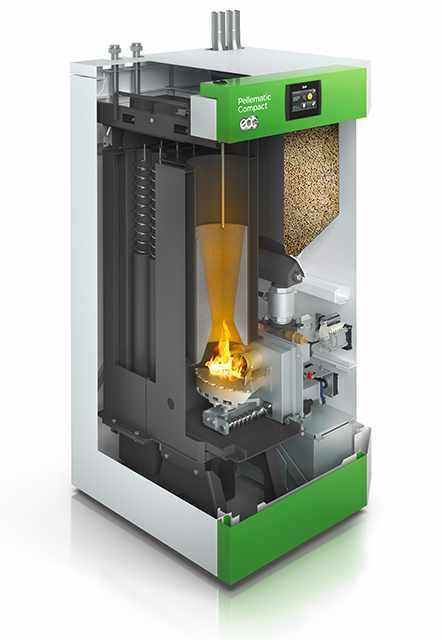
Installation of Pellet boilers and burners
Pellet Boiler and Burner Installation
Pellet boilers and burners are a reliable way to heat homes and commercial buildings with a renewable fuel source. When installed correctly, a pellet system can deliver steady warmth, high efficiency, and predictable running costs. Our team handles the full installation process, from selecting the right boiler or burner to commissioning the system and explaining how to use it safely and efficiently.
Whether you are replacing an older oil or gas setup or building a new heating system, we focus on practical design, clean workmanship, and long term performance. Every property is different, so we size and configure each system to suit your heat demand, available space, and how you want to control your heating.
What We Install and Where Pellet Systems Fit Best
We install pellet boilers for full property heating and pellet burners as upgrades for compatible boiler bodies. We also connect hot water cylinders, buffer tanks, and heating circuits to support radiators, underfloor heating, or mixed systems. If you are not sure whether a full boiler replacement or a burner retrofit is best, we assess your existing setup and recommend the most cost effective route that still meets safety and efficiency targets.
Pellet heating is well suited to properties with room for fuel storage and straightforward access for pellet deliveries. It is also a strong option for customers who want automation, consistent comfort, and reduced dependence on fossil fuels. If your wider home comfort needs include ventilation or cooling, we can coordinate with related hvac services so all systems work together without conflicts in controls or airflow.
Typical components in a complete installation
- Boiler or burner unit sized to your heat load and hot water demand
- Pellet storage such as bags, hopper, or bulk store with appropriate feed system
- Flue and chimney connection designed for safe draft and condensation control
- Hydronic components including pumps, valves, expansion vessel, and safety relief
- Controls including thermostats, sensors, and zoning where needed
Our Installation Process
We take a structured approach to avoid common problems like poor draft, short cycling, excessive ash, or uneven heating. The goal is a system that starts, runs, and modulates smoothly, while meeting manufacturer requirements and local regulations.
- Site survey and sizing where we review insulation levels, heat emitters, pipework condition, and available plant room space
- System design including flue routing, storage choice, hydraulic layout, and integration with hot water and zoning
- Removal and preparation where we isolate and remove old equipment if required and prepare safe services and clearances
- Installation of the boiler or burner, hydraulics, controls, and safety components
- Flue commissioning checks to confirm proper draft, tightness, and safe termination
- Start up and tuning where we set combustion parameters, verify operation, and test safety shutoffs
- Handover with user guidance on fuel quality, loading, cleaning routines, and control settings
Safety, Compliance, and Performance You Can Rely On
Pellet appliances must be installed with care to ensure safe combustion and clean exhaust. We follow manufacturer guidance for clearances, ventilation, and flue materials, and we confirm that condensate and corrosion risks are handled correctly. We also check that all pressure and temperature safety devices are fitted and operating, and that system water quality is appropriate for long term reliability.
For properties with existing radiators or pipework, we inspect the condition and recommend improvements where needed. In many cases, flushing, filter installation, or balancing can significantly improve comfort and reduce energy waste. If you need related heating maintenance support after installation, we can advise on service intervals and best practices to keep efficiency high year after year.
Common issues we help prevent
- Incorrect boiler sizing leading to short cycling and poor efficiency
- Unsafe or poorly drafted flue setups that cause smoke leakage or nuisance shutdowns
- Insufficient space for ash removal, cleaning, and routine servicing
- Fuel feed problems caused by unsuitable storage layout or moisture exposure
- Unbalanced heating circuits that leave some rooms cold and others overheated
Fuel Storage, Delivery Access, and Everyday Use
A pellet system is easiest to live with when storage and access are planned properly. We help you choose between bagged pellets, integrated hoppers, or larger bulk stores depending on your consumption and available space. We also consider delivery access, dust control, and how you will manage occasional ash removal and seasonal cleaning.
We will show you how to set schedules, temperatures, and hot water priorities, and how to spot early signs that maintenance is needed. If you are upgrading more than one part of your home comfort system, we can align controls with other air conditioning services so heating and cooling do not compete and your overall energy use stays predictable.
Who We Serve
We install pellet boilers and burners for homeowners, landlords, and commercial clients who want dependable heat with renewable fuel. We work on replacements, upgrades, and new installations, and we can tailor solutions for single zone homes, multi zone properties, and light commercial spaces with higher hot water demand.
If you are considering pellet heating, contact us to arrange a site visit and quotation. We will recommend the right equipment and configuration, install it to a high standard, and make sure you are comfortable using the system before we leave.
FAQ
How do I know whether I need a pellet boiler or just a pellet burner retrofit?
A burner retrofit can work if your existing boiler body is compatible and in good condition. If the heat exchanger is worn, undersized, or inefficient, a full pellet boiler replacement is usually the better long term option. We confirm suitability during the site survey.
What space do I need for pellet fuel storage?
Space needs depend on whether you choose bagged pellets, a hopper, or a bulk store. We look at your annual consumption, delivery access, and where the feed system can run safely. The best setup leaves clear access for refilling, inspection, and cleaning.
How often does a pellet boiler need servicing?
Most systems benefit from routine checks and cleaning at least once per year, plus periodic ash removal depending on usage. Keeping the burn pot and heat exchanger clean helps maintain efficiency and reduces breakdown risk. We will recommend a maintenance schedule based on your appliance and fuel quality.