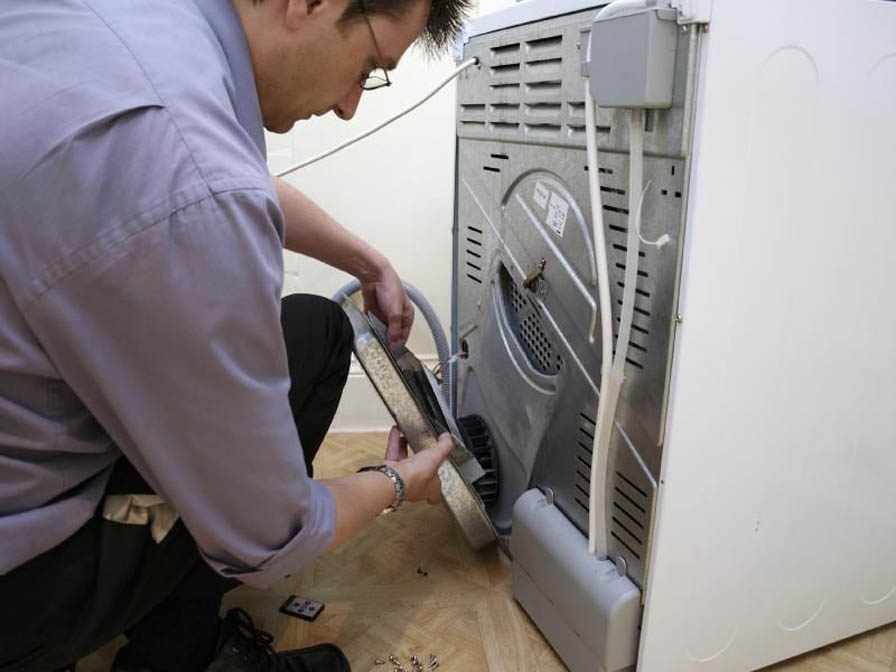
Installation of a dryer
Dryer Installation Service
Installing a dryer may look straightforward, but a safe, reliable setup depends on the right power connection, correct venting, and proper placement. A rushed installation can lead to nuisance tripping, poor drying performance, excess moisture in the home, or damage to floors and fittings. Our dryer installation service is designed to get your appliance running smoothly from day one, with careful checks and tidy workmanship.
We install freestanding and integrated tumble dryers, including condenser, vented, and heat pump models. Whether you are replacing an old unit or fitting a brand new dryer in a new location, we help you avoid guesswork and make sure the appliance is connected according to manufacturer guidance and safety standards.
What Is Included in Our Dryer Installation
Site check and preparation
Before connecting anything, we confirm the space is suitable. This includes verifying clearances for airflow, checking the floor is stable and level, and identifying the best route for a vent hose if your dryer requires one. We also look at nearby sockets and cable reach so the appliance sits correctly without strain on the plug or cord.
Safe electrical connection
We inspect the outlet and circuit to ensure they are appropriate for the dryer load and condition. If a dedicated supply or isolator is required, we will advise you on the safest solution. For clients who also need broader support, our appliance connection services cover the proper power setup and checks for multiple household appliances.
Venting and moisture management
For vented dryers, correct venting is critical. We fit and position the vent hose to reduce kinks, avoid crushing behind the machine, and support efficient airflow. For condenser and heat pump models, we ensure the water tank and drainage options are understood, and we check that surrounding ventilation is adequate to prevent damp air buildup.
Testing and commissioning
After installation, we run a basic functional test to confirm the dryer powers on, the drum turns, heat settings respond, and there are no unusual noises or vibration issues. We also verify that doors, filters, and lint traps are seated correctly so the dryer can operate as intended.
Dryer Types We Install
Different dryers have different requirements, and choosing the right approach helps prevent performance issues later. We commonly install the following:
- Heat pump dryers that require good airflow around the unit and careful placement to keep cooling and condensation systems working efficiently.
- Condenser dryers where we explain tank emptying, optional drainage, and how to keep filters clean for consistent drying.
- Vented dryers where the vent path must be kept short and unobstructed to avoid moisture and lint problems.
- Integrated and built in dryers that need accurate alignment, safe cable routing, and correct clearance for ventilation.
If you are fitting a dryer as part of a larger kitchen or utility room upgrade, we can coordinate the work alongside other professional appliance installation tasks so everything is connected and tested in the right order.
When You Should Book a Professional Installation
Some situations call for extra care and should not be treated as a simple plug in job. We recommend booking a professional installation if any of the following apply:
- You are moving the dryer to a new location and the power supply or vent route will change.
- The existing socket is loose, damaged, or shows signs of overheating.
- The dryer trips the circuit breaker or the outlet gets warm during use.
- You are installing an integrated unit inside cabinetry with limited airflow.
- You need advice on drainage for condenser or heat pump models.
For landlords, property managers, and small businesses, we also provide residential appliance installation and coordinated installations for multiple units, with practical scheduling and clear communication.
Our Installation Process
- Appointment and details We confirm the dryer type, the installation location, and any existing venting or electrical constraints.
- On site assessment We check access, measure the space, and inspect the socket and surrounding area.
- Installation We position and level the dryer, connect it safely, and fit venting or drainage as required by the model.
- Operational checks We test key functions and confirm stable operation with minimal vibration.
- Handover We show you filter locations, explain basic maintenance, and answer questions so you can use the dryer confidently.
Safety, Care, and Long Term Performance
A dryer produces heat and collects lint, so small setup details make a big difference over time. We help reduce common risks by ensuring correct airflow, avoiding crushed hoses, and confirming the appliance sits level to limit vibration and movement. We also recommend simple habits like cleaning filters regularly and keeping the area around the dryer clear to support efficient drying and lower running costs.
If you have questions about compatibility, placement, or what is needed before your appointment, contact us and we will help you prepare for a smooth installation and a dryer that works reliably from the first load.
FAQ
Do I need venting for every tumble dryer?
No. Vented dryers need a hose to expel moist air outside, while condenser and heat pump models collect moisture internally. We will confirm your dryer type and set up the correct venting or drainage option.
Can you install a dryer in a cupboard or integrated unit space?
Yes, as long as the appliance model is suitable and there is enough ventilation and clearance. We check airflow requirements, safe cable routing, and stable positioning to prevent overheating and vibration issues.
What should I do before the installer arrives?
Clear access to the installation area and make sure the old appliance is disconnected and emptied if it is being removed. If it is a vented dryer, note where the existing vent exits the room, and keep the user manual handy if available.