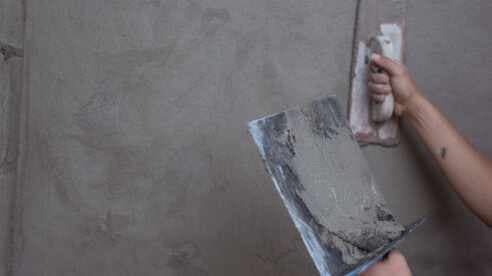
Putty and primer
Putty and Primer for Smooth, Lasting Paintwork
Putty and primer are the foundations of a professional finish. If the surface is uneven, dusty, stained, or porous, paint can highlight flaws instead of hiding them. Our putty and primer service prepares walls and ceilings so the final colour looks even, clean, and durable.
We work in homes and commercial spaces, handling everything from minor dents to full skim work before priming. The goal is simple, create a stable, smooth base that helps paint bond properly and reduces future peeling, patchy sheen, and visible roller marks.
What We Fix Before Painting
Every space has different issues, so we start by assessing the substrate and choosing the right materials and method. We repair and level surfaces so that light reflects evenly and the finish looks consistent from every angle.
Common surface problems we resolve
- Cracks and hairline splits that reappear if left unfilled or bridged incorrectly
- Nail pops, dents, and impact damage that show through matte and satin finishes
- Uneven patches from old repairs, adhesive residue, or removed fixtures
- Porous plaster and joint areas that absorb paint and create flashing
- Stains and discolouration from water marks, smoke, or previous paint bleed
When required, we use reinforcement techniques and layered filling rather than a single heavy application. This reduces shrinkage, improves strength, and creates a cleaner final surface.
Our Putty Process, From Filling to Final Sanding
Putty work is not just about filling holes. It is about restoring the plane of the wall, ensuring corners are crisp, and blending repairs into the surrounding area so they disappear after painting.
- Protection and preparation We cover floors, fittings, and furniture, then clean and de dust the area to prevent contamination under the coating.
- Repair and leveling We apply the correct filler for the depth and substrate, building in layers where needed for stability.
- Edge feathering We extend repairs beyond the damaged point so transitions are invisible after primer and paint.
- Fine sanding We sand to the required smoothness, taking care to avoid swirl marks and over sanding that can expose weak areas.
- Final inspection under light We check the surface from multiple angles, since raking light can reveal imperfections that normal lighting hides.
If you are also planning full wall preparation and painting, this stage is where the quality of the end result is decided. A well leveled surface helps the finish coat look richer and more uniform.
Priming That Matches the Surface and the Finish
Primer is not one product for every job. We select primers based on what the surface needs, adhesion, sealing, stain blocking, or moisture resistance. Proper priming reduces paint consumption, supports even drying, and improves durability in busy areas.
Types of priming we commonly provide
- Sealing primer for new plaster, repaired areas, and porous substrates to prevent patchy absorption
- Bonding primer for difficult surfaces where standard paint may struggle to grip
- Stain blocking primer to lock in water marks and prevent bleed through
- Damp resistant primers for areas prone to moisture, paired with suitable topcoats
- Mould resistant systems in bathrooms, utility rooms, and other humid spaces
We also plan primer colour and coverage to suit your chosen topcoat. For example, strong colour changes often benefit from a tinted primer to reduce the number of finish coats and create a more even tone.
Where This Service Makes the Biggest Difference
Putty and primer are especially important when you want a higher end finish, when lighting is unforgiving, or when surfaces have been repaired over time. We frequently prepare:
- Living rooms and hallways with high traffic scuffs and multiple past touch ups
- Bedrooms where smooth walls enhance softer paint sheens
- Kitchens and bathrooms where moisture control and proper sealing matter
- Offices and retail interiors where walls need to look consistent under bright lighting
- Ceilings where patching and priming prevent visible bands and roller lap marks
Clients often combine this service with our wider professional painting services so the entire project follows one quality standard, from repair to the final coat.
What to Expect on Site
We aim for a tidy, predictable process. You will get clear communication on drying times, sanding stages, and when areas can be used again. We keep dust controlled as much as possible and dispose of waste responsibly.
After priming, we re check the surface for any minor imperfections revealed by the sealed coat. If needed, we spot fill and sand again so the finish paint goes on to a clean, uniform base. For clients moving forward with interior painting services, this step helps ensure the final result looks smooth, even, and long lasting.
If you want paintwork that looks flawless rather than simply covered, putty and primer preparation is the smartest place to invest, because the finish is only as good as the surface beneath it.
FAQ
Do you always need primer after putty repairs?
In most cases, yes. Putty and patched areas absorb paint differently, so priming seals the repair and prevents flashing or dull spots. Primer also improves adhesion so the finish coat wears better.
How long does putty and primer work take before painting can start?
Timing depends on repair depth, humidity, and the products used. Small repairs can often be primed the same day, while larger fills may need extra drying time before sanding and priming. We confirm the schedule on site to avoid trapping moisture under paint.
Can you fix visible old patches and uneven walls without re plastering?
Often, yes. We can level many surfaces with proper filling, feathering, sanding, and a sealing primer that evens absorption. If the wall is severely uneven or unstable, we will recommend the most reliable repair option before painting.