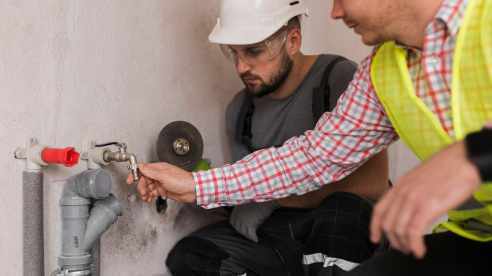
Leak removal
Leak Removal
A hidden leak can quietly damage walls, floors, and cabinetry, while also pushing up your water bills. Whether the problem is a slow drip under the sink or a sudden pipe burst, fast action protects your home or business from costly repairs. Our leak removal service focuses on finding the source quickly, stopping the water safely, and restoring your plumbing so it runs reliably again.
Common Signs You May Have a Leak
Not every leak is obvious. Many start inside walls, under floors, or behind fixtures where water can spread before you notice. If you spot any of the signs below, it is worth booking an inspection before the damage grows.
- Unexplained higher water bills even when your usage has not changed
- Damp patches or discoloration on ceilings, walls, or skirting boards
- Musty smells or visible mold around bathrooms, kitchens, or utility rooms
- Low water pressure or inconsistent flow at taps and showers
- Sounds of running water when all fixtures are turned off
- Puddles or damp flooring near toilets, sinks, radiators, or appliances
If you are unsure, a structured assessment is often faster and cheaper than waiting for the leak to reveal itself. Our team can combine practical checks with targeted testing to identify the issue without unnecessary disruption, using the same care you would expect from water leak detection and repair specialists.
Our Leak Removal Process
Every property is different, so we tailor the approach to the pipework layout, materials, and access points. The goal is always the same, locate the leak, isolate it safely, fix it properly, and confirm everything is working as it should.
1. Diagnosis and leak location
We start by asking a few questions about when the issue began, which fixtures are affected, and whether any recent work was done. Then we inspect likely sources such as joints, valves, flexible connectors, appliance feeds, and visible pipe runs. When needed, we perform additional tests to pinpoint concealed leaks while keeping disturbance to a minimum.
2. Isolation and damage control
Once the source is identified, we isolate the relevant section to stop water flow. If the leak is active, we prioritize immediate containment to reduce damage to plaster, flooring, and electrics. We can also advise on safe steps you can take while waiting, such as shutting off the stopcock and avoiding the use of affected fixtures.
3. Repair or replacement
We complete the most appropriate fix based on pipe condition and the type of failure. That can include resealing threaded joints, replacing worn washers, renewing failed connectors, or repairing damaged pipe sections. If the pipework is corroded or weakened, we may recommend a partial upgrade rather than repeated spot fixes, similar to what you would expect from pipe repair services that prioritize long term reliability.
4. Testing and clean finish
After repairs, we pressure test and run water through the affected lines to confirm the leak is fully resolved. We check nearby connections to ensure there are no secondary issues, then leave the work area tidy. If any surrounding components show signs of wear, we explain what we found and what to monitor next.
Types of Leaks We Remove
Leak removal is not limited to one pipe under a sink. We work across a wide range of plumbing systems and fixtures, in both residential and commercial settings.
- Supply pipe leaks on copper, plastic, or mixed pipework
- Bathroom leaks from showers, bathtubs, toilets, and hidden pipe runs
- Kitchen leaks under sinks, around taps, and appliance connections
- Heating related leaks from pipe joints and radiator valves
- Outdoor and utility leaks on exposed lines and service areas
- Emergency leaks including fast flowing breaks that require urgent isolation
If you are dealing with a sudden rupture, we can handle urgent callouts and stabilize the situation quickly, drawing on the same standards used for emergency plumbing services.
Why Professional Leak Removal Matters
DIY fixes can stop a drip temporarily, but leaks often have an underlying cause such as pipe movement, excessive pressure, corrosion, or a failing fitting. A proper repair addresses the root issue and reduces the chance of repeat failures. It also helps protect your building fabric from rot and mold, which can become far more expensive than the plumbing repair itself.
We focus on clear communication, careful workmanship, and practical options. You will know what caused the leak, what was done to fix it, and what steps can help prevent future problems, such as replacing aging connectors, securing pipe runs, or scheduling routine checks for higher risk areas.
What to Do Before We Arrive
When a leak appears, a few quick steps can reduce damage and keep everyone safe.
- Turn off the water at the stopcock or isolation valve if possible.
- Switch off nearby electrics if water is close to sockets or appliances.
- Move valuables away from the affected area and place towels or a container to catch drips.
- Take a photo of visible damage for your records, especially if the leak is inside a ceiling or wall.
If you cannot locate the shut off valve or the leak is severe, contact us right away for assistance and guidance over the phone until help arrives.
Whether you need help with a hidden seep or an urgent break, our leak removal service is designed to stop the problem quickly, protect your property, and restore confidence in your plumbing system.
FAQ
How do I know if a leak is coming from a pipe or a fixture?
Pipes often cause damp patches, pressure drops, or running water sounds even when taps are off. Fixture leaks usually show up around the tap base, under the sink trap, or at toilet connections. An inspection can confirm the source quickly and avoid unnecessary opening of walls or floors.
Can you fix a leak without damaging tiles or walls?
In many cases, yes. We start with checks and targeted testing to narrow down the location and access the repair through existing panels, cabinets, or service points. If opening is unavoidable, we keep it as small and practical as possible and explain options beforehand.
What should I do if I have a burst pipe and water is spreading fast?
Shut off the stopcock immediately and open a cold tap to help drain pressure from the system. If water is near electrics, turn off power at the consumer unit if it is safe to do so. Then call for urgent assistance so the pipe can be isolated and repaired properly.