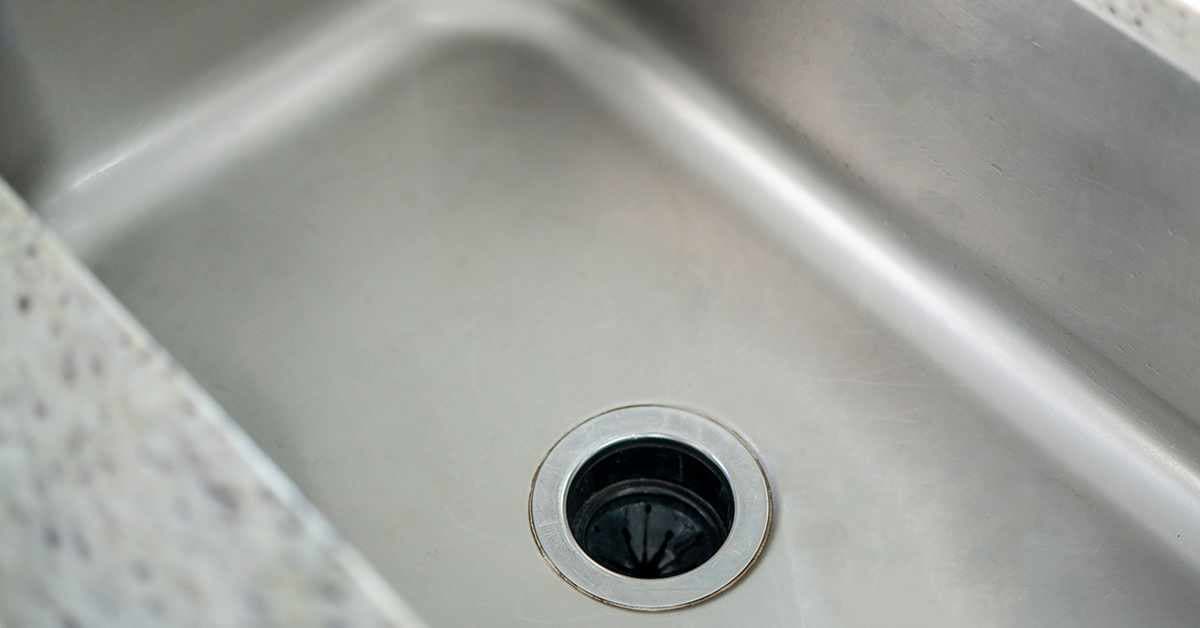
Unclogging a sink siphon in a kitchen or bathroom
Unclogging a Sink Siphon in Kitchens and Bathrooms
A slow draining sink is more than an inconvenience. It can bring bad smells, messy backups, and make daily routines harder. In kitchens, grease and food particles often create thick buildup. In bathrooms, soap residue, hair, and toothpaste collect over time and reduce the flow through the trap under the sink.
Our service focuses on unclogging the sink siphon, also called the P trap or bottle trap, in both kitchen and bathroom basins. We locate the blockage, clear it safely, and restore proper drainage without damaging fittings, seals, or cabinets. If the siphon is not the only issue, we will explain what we find and recommend the best next step.
What Causes a Siphon to Clog
The siphon is designed to hold a small amount of water that blocks sewer gases from entering your home. Because it changes direction, it is also a common point where debris settles. Even small daily deposits can build into a full obstruction.
- Kitchen sinks often clog from fat, oils, coffee grounds, starches, and food scraps that slip past the strainer.
- Bathroom sinks typically clog from hair, shaving foam, soap scum, skin oils, and small objects like cotton buds.
- Hard water can add mineral scaling that narrows the pipe and catches more debris.
- Poor ventilation or incorrect installation can contribute to sluggish draining and repeated clogs.
If you notice gurgling sounds, recurring odors, or water rising in the bowl after flushing the tap, it is often a sign the trap is restricted. For broader issues beyond the siphon, our team can provide full drain cleaning services to clear the line safely.
How We Unclog and Clean the Sink Siphon
We start with a quick assessment of symptoms, pipe type, and access under the sink. Many clogs can be resolved by removing and cleaning the trap. When access is tight or the blockage is further along, we use suitable tools to clear the pipe without forcing connections.
Our typical process
- Protection and preparation by placing a bucket, covering cabinet surfaces, and checking for leaks or corrosion.
- Trap inspection to confirm whether the siphon is the restriction and to identify the buildup type.
- Safe disassembly of the trap where possible, keeping seals and washers in good condition.
- Thorough cleaning of the siphon, including removing grease, sludge, hair mats, and trapped debris.
- Reassembly and testing by running water, checking drainage speed, and verifying there are no drips at joints.
We avoid harsh chemical drain cleaners whenever possible. They can damage older pipework, degrade seals, and create hazards for anyone working on the drain later. Instead, we use practical mechanical methods and proven cleaning steps that protect the plumbing system.
When a Simple Unclog Is Not Enough
Sometimes the siphon is only the first place the clog becomes noticeable. If blockages return quickly, drain slowly in multiple fixtures, or produce persistent smells, the restriction may be deeper in the branch pipe or main waste line. In these cases, we recommend a targeted approach rather than repeated temporary fixes.
- Recurring clogs can indicate grease buildup in kitchen waste lines or heavy soap scum in bathroom pipes.
- Leaks under the sink may be caused by worn washers, cracked trap components, or over tightened fittings.
- Slow draining with gurgling can suggest a venting issue or partial obstruction beyond the trap.
If we find damaged parts or poor installation, we can carry out the necessary sink repair services and replace worn components with compatible fittings. You get clear recommendations and options before any additional work begins.
Service for Homes and Businesses
We unclog sink siphons for homeowners, tenants, landlords, and facility managers. A blocked bathroom basin in a home is frustrating, while a clogged hand wash sink in a workplace can disrupt hygiene routines and daily operations. We arrive prepared for common trap types and typical access challenges in kitchens, cloakrooms, and staff facilities.
Whether you need help in a private residence, a rental property, a cafe back sink, or an office washroom, we deliver careful workmanship and reliable results. For ongoing support, you can also browse our wider residential plumbing services for related issues like leaks, faucet problems, or drainage troubleshooting.
Tips to Prevent Future Siphon Clogs
Most siphon clogs are preventable with small habit changes and periodic cleaning. After we clear the blockage, we can advise you on simple steps that match your sink usage and pipe type.
- Use a sink strainer and empty it regularly to keep solids out of the drain.
- Never pour cooking fats or oils down the kitchen sink. Let them cool and dispose of them properly.
- Run hot water briefly after washing up to reduce grease settling in the trap.
- In bathrooms, remove hair from the plug area and avoid rinsing thick products in large amounts.
- Schedule periodic checks if you have older pipework or recurring slow drainage.
When your sink is slow, smelly, or fully blocked, we can unclog the siphon efficiently, restore normal drainage, and leave the area clean and leak free so you can get back to using your kitchen or bathroom with confidence.
FAQ
How do I know if the clog is in the siphon or deeper in the drain line?
If only one sink drains slowly and you notice odors from that fixture, the siphon is a common cause. If multiple fixtures are slow or you hear gurgling and backups elsewhere, the blockage may be further along the waste line.
Is it safe to use chemical drain cleaners before booking a visit?
It is usually better to avoid them, especially if you have older pipes or plastic fittings. Chemicals can damage seals and make professional clearing more difficult and risky if the trap needs to be opened.
Will unclogging the siphon stop bad smells from the sink?
In many cases, yes, because trapped grease, hair, and sludge in the siphon can cause persistent odors. If smells return, we may need to check for buildup beyond the trap or a ventilation issue.