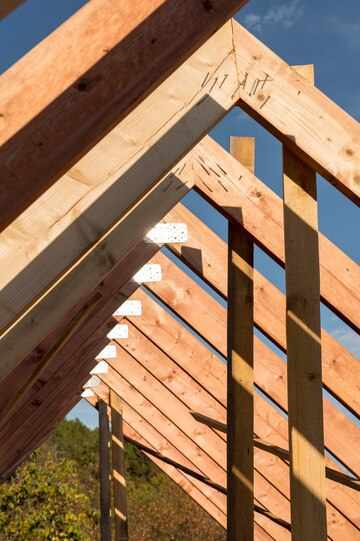
Construction of a new roof from a wooden structure
New Wooden Roof Construction
A new roof built on a wooden structure is one of the most reliable ways to protect a home or commercial building for decades. Timber framing offers strength, flexibility, and excellent compatibility with modern insulation and ventilation systems. Whether you are replacing an ageing roof or building an entirely new structure, our team delivers a safe, durable roof designed for your property and local weather conditions.
We manage the full process from assessment and design through to installation and finishing. Every roof is built with careful attention to structural integrity, moisture control, and long term performance, so you get a roof that looks right and performs even better.
What We Build and What Is Included
Our service covers complete construction of a roof using a wooden framework, including all key layers that make the roof watertight and energy efficient. We work on pitched roofs and other common forms, tailoring the structure to spans, load requirements, and the chosen roof covering.
- Structural timber frame including rafters, ridge components, bracing, and supports sized to the building and roof load.
- Decking and underlay to create a stable base and provide secondary weather protection.
- Insulation and vapour control to reduce heat loss and help prevent condensation within the roof build up.
- Ventilation solutions that support healthy airflow and protect timber elements over time.
- Waterproofing details including flashing, valleys, edges, and penetrations such as chimneys and vents.
- Roof covering installation with compatible fixings and weather rated components.
- Gutters and drainage where required to move water safely away from the building.
If your current roof has issues that need urgent attention before a full rebuild, we can also help with emergency roof repair to keep the interior protected while plans are finalised.
Our Step by Step Process
1. Site visit and technical assessment
We begin by checking the existing structure, wall plates, bearing points, and any signs of moisture or movement. Measurements and load considerations are reviewed so the new timber frame is correctly specified. We also discuss roof type, finish options, timelines, access, and safety requirements.
2. Planning, materials, and preparation
Timber is selected for strength class and suitability, then treated where appropriate for durability. We plan junction details in advance, including skylights, chimneys, vents, and drainage routes. Old materials are removed if this is a replacement project, and the site is protected to minimise disruption.
3. Timber frame construction
The wooden structure is built and secured with correct fixings and bracing, keeping geometry accurate for the next layers. Alignment is checked throughout, because a well built frame improves the fit and lifespan of membranes, coverings, and flashings.
4. Weatherproof layers and finishing
We install underlay and waterproofing layers, then complete flashings, edges, and penetrations to reduce leak risks. The final roof covering is fitted to manufacturer guidance, followed by gutters and drainage elements as needed. If you want additional assurance, we can schedule follow up checks similar to roof inspections and repairs after the first heavy weather cycle.
Materials and Design Choices
Every project is different, so we help you choose materials that balance appearance, longevity, and budget. Timber framing works well with many roof coverings, and we explain the pros and cons in plain terms so you can decide confidently.
- Timber options selected for structural performance and stability, with attention to moisture content and treatment needs.
- Underlays and membranes chosen to suit roof pitch, exposure, and ventilation strategy.
- Coverings such as tiles or other systems depending on style and weight considerations.
- Flashing and sealing details designed to protect the most vulnerable areas, especially around chimneys, valleys, and roof windows.
If the existing roof has suffered water ingress, storm exposure, or poor detailing, we can coordinate targeted roof restoration measures alongside the new timber construction, especially where adjoining sections must remain in place.
Safety, Quality Control, and Aftercare
Roof construction involves working at height and managing heavy materials, so safety is built into the job from day one. We use proper access equipment, follow best practices on site, and keep the work area organised to reduce risk and delays.
Quality control includes checking structural fixings, alignment, ventilation paths, and waterproofing continuity before the final finish is completed. We also provide practical aftercare guidance, including how to spot early warning signs like staining, unusual drafts, blocked gutters, or lifting at edges, so small issues do not become expensive ones.
For many properties, simple seasonal checks and timely cleaning are enough to extend service life, and we can advise on a sensible maintenance schedule that fits your building and exposure.
Request a Quote for a New Wooden Roof
To price your project accurately, we consider roof size, access, structural complexity, chosen materials, and any additional features such as skylights or chimneys. Share photos if you have them, and we will arrange a site visit to confirm measurements and discuss the best construction approach.
When you are ready, we will help you plan a roof that is strong, weather tight, and built to last, with workmanship you can rely on from the first day of installation to the final fixings.
FAQ
How long does it take to build a new roof with a wooden structure?
Timelines depend on roof size, complexity, and weather, but many standard projects take several days to a few weeks from strip down to finishing. A site visit allows us to confirm scope and provide a realistic schedule.
Can you add insulation and ventilation when building the new wooden roof?
Yes, we design the roof build up to include insulation and a vapour control layer, along with ventilation routes that help reduce condensation risk. The exact specification depends on the roof type and the existing building structure.
What are the most common causes of leaks on newly built roofs?
Most leaks come from poor detailing around penetrations, valleys, and edges, or from incompatible membranes and flashings. We focus on correct junction design, proper fixings, and continuous waterproofing to prevent these issues.