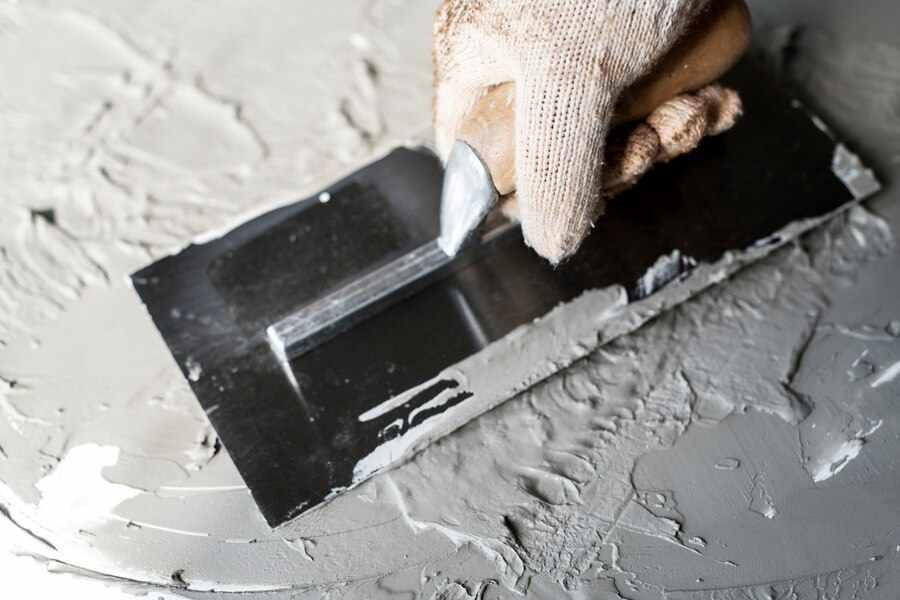
Plastering chimneys
Plastering Chimneys
A well plastered chimney is not just about appearance. The plaster layer helps protect masonry from driving rain, frost damage, salt staining, and wind borne debris. When the surface cracks or starts to crumble, moisture can reach the brickwork and internal flues, leading to damp patches, loose render, and deterioration that can spread to the roofline and attic.
Our chimney plastering service covers preparation, repair, and a durable finish designed for harsh weather. Whether the chimney is newly built, previously rendered, or patched in the past, we focus on a clean substrate, strong adhesion, and a finish that sheds water while still allowing the structure to breathe.
When chimney plastering is needed
Chimneys take more punishment than almost any other part of a home. They are exposed on all sides and often sit above the warm interior, which can accelerate condensation and salt movement through the masonry. Plastering or re plastering is recommended when you notice defects that signal water ingress or failing adhesion.
- Cracks, crazing, or hollow sounding areas on the existing plaster
- Loose or missing sections around corners, shoulders, or the chimney stack
- White salt staining, damp marks, or persistent dark patches after rain
- Spalling bricks or crumbling mortar joints beneath the finish
- Previous repairs that do not match or are failing again
If the chimney issues are linked to the surrounding roof covering, flashing, or water run off, we can coordinate the plastering with related roof repair work to address the source of moisture, not just the symptoms.
Our chimney plastering process
1. Inspection and safe access
We begin with a visual check of the chimney stack, pots, cowlings, and the condition of brickwork and joints. Access is arranged using appropriate ladders or scaffolding where required. We also look at leadwork and abutments because failing flashing can saturate a chimney and cause plaster to detach.
2. Preparation and repair
Good results depend on preparation. Loose plaster is removed back to sound material, and dust, moss, and salts are cleaned away. Any damaged masonry is repaired, and weak joints are re pointed where necessary. Corners and edges are formed to give the finish strength and reduce future cracking.
3. Bonding and application
We apply a suitable bonding coat or primer when needed to improve adhesion. The plaster is then built up in controlled layers to achieve the correct thickness and to resist weathering. Particular care is taken around the base of the chimney, the shoulders, and behind flashings, where movement and water can cause premature failure.
4. Finishing and curing
The finish is chosen to suit the property and exposure level, from a smooth finish to a lightly textured traditional look. We allow for proper curing, avoiding rushed drying that can lead to shrinkage cracks. Where appropriate, we can advise on breathable protective coatings that reduce water absorption without trapping moisture inside the structure.
Chimney plastering that works with the roof
Chimney problems rarely exist in isolation. A cracked crown, worn flashing, or blocked guttering can direct water straight onto the stack. That is why we check the interfaces between the chimney and the roof covering, including the step flashing, back gutter, and surrounding tiles or slates.
If we identify related issues, we can recommend targeted roof flashing repair or other remedial work to protect the new plaster. This joined up approach helps prevent recurring damp, staining, and blown render after heavy rain.
What you can expect from our service
- Clear scope of work with an explanation of what will be removed, repaired, and finished
- Materials suited to exposure to improve durability in wet and windy conditions
- Attention to detail around corners, edges, and roof interfaces
- Clean workmanship with debris controlled and the area left tidy
- Practical advice on ventilation, curing time, and preventing future cracking
For properties that need broader protection at roof level, we can also coordinate with roof maintenance to help reduce water related wear around the chimney and adjoining roof slopes.
Common chimney plastering scenarios
Re plastering over failed render
When old render is hollow, cracked, or flaking, patching can be short lived. We remove failed areas properly and rebuild the surface so the new plaster bonds to a stable base.
Repair after leaks or damp
Once the moisture source is addressed, plastering restores protection and improves appearance. We also look for staining patterns that indicate where water is tracking down the stack.
Finishing new or rebuilt chimneys
New masonry often needs time to settle before final finishing. We plan the plastering to suit the condition of the brickwork and the expected exposure, giving a robust final surface.
Book chimney plastering
If your chimney plaster is cracked, bulging, or showing signs of water damage, we can inspect it and recommend the right level of repair. You will receive a straightforward plan, careful workmanship, and a finish designed to stand up to the weather and protect the structure for years to come.
FAQ
How do I know if my chimney needs re plastering?
Look for cracks, flaking areas, hollow spots, or damp staining on the chimney surface. If plaster is falling away or bricks are spalling underneath, re plastering is usually needed after the underlying damage is repaired.
Can you plaster a chimney if the flashing is leaking?
We can, but it is best to fix the leak first or at the same time. If flashing or roof junctions keep letting water in, new plaster may fail early and start to crack or detach again.
How long does chimney plaster need to cure before painting?
Curing time depends on weather and thickness, but it typically takes at least several days and sometimes longer in cool or wet conditions. We will advise the safest timing and recommend breathable finishes that will not trap moisture.