Reversing windows and doors
Reversing Windows and Doors
Sometimes a home or workspace feels awkward for a simple reason, a door swings the wrong way or a window opening works against the layout. Reversing a window or door means changing its orientation so it opens in the opposite direction, improving flow, safety, and everyday comfort without replacing the entire unit.
Our team provides careful, practical reversing for interior and exterior doors, as well as operable windows where the design allows it. We focus on clean workmanship, correct alignment, and a finish that looks like it was always meant to be that way.
When Reversing Is the Right Choice
A reversed swing or opening direction can solve problems that show up only after you live in a space. In many cases, it is more cost effective than buying new joinery, especially when the existing door or window is high quality.
- Better room layout when furniture placement or circulation routes are blocked by the current swing.
- Improved safety and access in hallways, stairs, and tight landings where an outward swing may create a hazard.
- More privacy in bathrooms, bedrooms, and offices by changing sight lines when the door is opened.
- Corrected conflicts with wardrobes, kitchen units, radiators, or light switches.
- Weather and ventilation control when a window opening direction catches prevailing winds or makes cleaning difficult.
If reversing is not suitable due to frame limitations, glazing type, or fire rated requirements, we will explain the constraints and offer alternatives that still meet your goals.
How We Reverse Doors
Reversing a door is more than swapping hinges. Done properly, it requires accurate carpentry and attention to the frame so the door sits square, seals correctly, and latches smoothly.
What is included
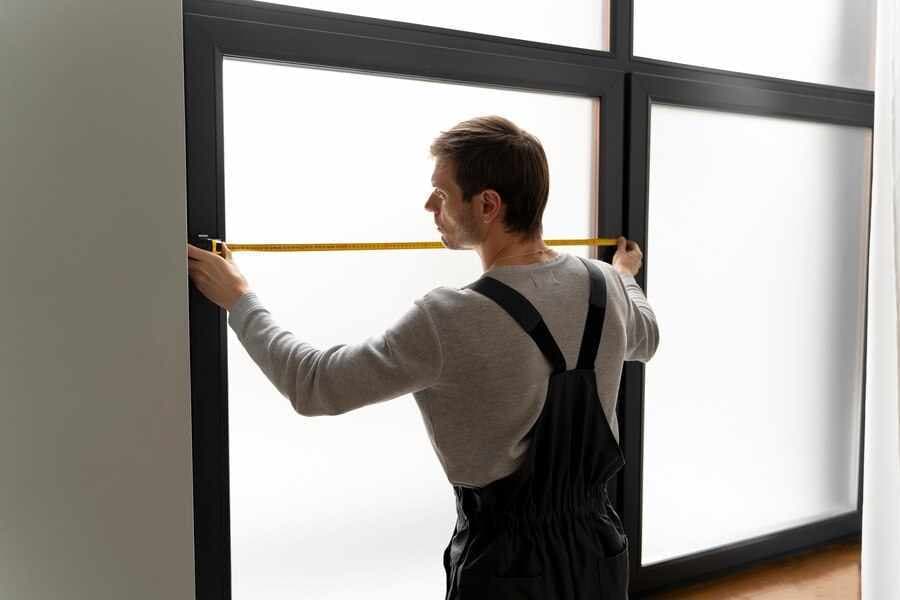
- Site assessment and measurements to confirm clearances, floor levels, and swing arc.
- Hinge and latch relocation including precise mortising and reinforcement where needed.
- Frame adjustments such as moving the strike plate and ensuring consistent gaps around the leaf.
- Hardware refit so handles, locks, and closers operate correctly after the change.
- Finishing including making good around the frame and touch ups so the work blends in.
Where reversing requires changes to the surrounding structure, such as modifying an opening or adjusting a partition, we can coordinate this with related work like interior partition installation to keep everything aligned and neatly finished.
How We Reverse Windows
Window reversing depends on the type of unit. Some systems allow the sash to be reoriented or the hinges to be moved, while others require partial component replacement. We will confirm feasibility before any work begins.
Common window types we assess
- Casement windows where hinge position and handle operation can sometimes be changed.
- Awning or hopper styles where hardware and restrictors must be correctly repositioned.
- Tilt and turn systems where the mechanism may allow limited reconfiguration, subject to manufacturer design.
Our priority is maintaining weather tightness and smooth operation. We check seals, alignment, and drainage paths, and we ensure restrictors and safety features remain compliant for the space.
If reversing affects trims, reveals, or surrounding finishes, we can combine the job with wall and ceiling finishing so the room looks consistent after the change.
What You Can Expect From Our Service
We work carefully in occupied homes and active commercial spaces. The aim is minimal disruption and a result that feels solid and reliable every time you open and close the door or window.
- Clear guidance on what can be reversed and what should be replaced, with reasons.
- Protection of your space using dust control, floor coverings, and tidy work practices.
- Accurate alignment for quiet closing, secure locking, and consistent reveals.
- Honest finishing standards with attention to paint edges, trims, and hardware placement.
In some properties, reversing a door also affects adjacent framing or openings. If structural or layout changes are required, we can help plan the scope alongside wall and ceiling construction work so the final result is cohesive.
Booking and Preparation
To schedule reversing work, share a few photos of the door or window, the hinges, and the surrounding area. If possible, include measurements of the opening and note any issues such as sticking, drafts, or a misaligned lock.
Before we arrive, clear the area around the opening and remove fragile items from nearby shelves. We will handle the rest, including checking operation at the end and confirming that locks, restrictors, and seals work as they should.
Reversing a window or door is a smart way to make a space feel more natural, and we are ready to help you get it right with clean workmanship and dependable results.
FAQ
Can any door be reversed to open the other way?
Many interior doors can be reversed, but it depends on the frame, hinges, locks, and any fire rating requirements. We check clearances and hardware first, then confirm what adjustments are needed for a proper fit and latch.
Will reversing a door leave visible marks on the frame or door?
If hinge or latch positions move, the previous recesses must be made good and finished. We aim to blend repairs so they are discreet, and we can advise if repainting or minor trim work will deliver the best final look.
How do you know if a window can be reversed?
It depends on the window type and hardware system. We inspect the hinges, handles, restrictors, and seals to confirm whether the sash can be reoriented safely while keeping weather tightness and smooth operation.