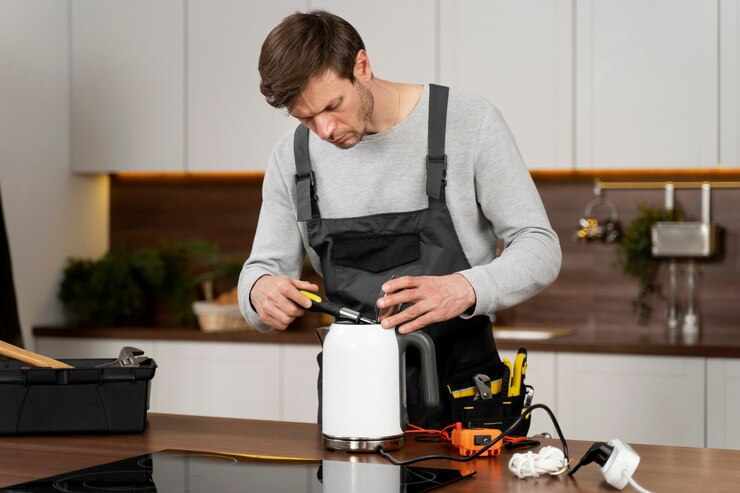
Repair of small electrical appliances
Repair of Small Electrical Appliances
When a small electrical appliance stops working, it can disrupt your routine and create unnecessary expense. Our repair service helps you get dependable performance back from the devices you rely on every day, without the guesswork. We focus on accurate fault finding, safe repairs, and clear communication from the moment you get in touch.
Whether it is a kettle that will not boil, a vacuum that has lost suction, or a microwave that no longer heats, we treat each job with care. You will receive a practical recommendation based on safety, cost, and expected lifespan after repair. If a repair is not advisable, we will explain why and help you decide on the next step.
Appliances We Repair and Common Faults
We repair a wide range of small electrical appliances used in homes and workplaces. Many faults are caused by wear, overheating, moisture, damaged cables, or failing switches and control boards. Our goal is to resolve the root cause, not just the visible symptom.
Typical items we service
- Kettles, toasters, coffee machines, blenders, mixers, air fryers
- Vacuum cleaners, steam mops, irons, garment steamers
- Microwaves and compact countertop cooking appliances
- Electric fans, portable heaters, dehumidifiers, air purifiers
- Hair dryers, straighteners, shavers and grooming devices
Common issues we fix
- Appliance not powering on, intermittent power, or tripping a plug fuse
- Burning smell, overheating, or unusual noises and vibration
- Loose connections, damaged cords, broken plugs, worn switches
- Poor performance, reduced heat, weak suction, inconsistent speed
- Error lights, unresponsive buttons, and control problems
If the problem appears after moving into a new kitchen or changing sockets, it may be related to the supply or connection rather than the device. In those cases, we can also guide you toward the right electrical installation services so the appliance runs safely on the correct circuit and protection.
Our Repair Process, Testing, and Safety Checks
We keep the repair process straightforward and transparent. After an initial check, we isolate the fault, assess parts availability, and confirm whether repair is cost effective. Safety is central to everything we do, especially where heating elements, motors, and mains wiring are involved.
- Intake and symptom review where we note the fault, usage pattern, and any recent incidents such as liquid spills or power surges.
- Diagnostic testing including visual inspection, continuity checks, component testing, and functional verification where safe.
- Repair or parts replacement using suitable components and secure wiring practices. We do not take shortcuts with insulation, strain relief, or heat protection.
- Reassembly and performance testing to confirm stable operation and that controls, safety cut outs, and indicators behave normally.
- Handover advice on safe use, maintenance, and warning signs to watch for.
Some appliances show damage that makes repair unsafe, such as melted housings, compromised insulation, or signs of serious overheating. In those situations we will recommend a replacement, or if the appliance is new and needs to be connected correctly, we can point you to professional appliance installation to reduce the risk of repeat issues.
When Repair Makes Sense and When It Does Not
Repair is often the best option when the fault is limited to a cable, plug, switch, thermostat, belt, or a single worn component. It can also be worthwhile for higher quality appliances where a repair extends useful life significantly. We will always discuss expected results before you commit.
Replacement may be the safer choice if the appliance has extensive heat damage, multiple electronic faults, or if parts are not available at a reasonable cost. We will never pressure you into a repair that is unlikely to hold up. If your issue is related to how a larger appliance is powered, such as repeated tripping when using a microwave, heater, or similar load, proper appliance power connection and circuit checks may be the real solution.
What to Do Before Bringing an Appliance In
A few quick checks can help you describe the problem clearly and speed up diagnostics. If anything looks unsafe, stop using the appliance and unplug it immediately.
- Check the plug and cable for cuts, kinks, or heat marks
- Try a known working socket, but do not force plugs or adapters
- Remove detachable parts and empty water tanks or dust containers
- Note when the fault happens, for example only when heating or only at high speed
- Do not open the casing if you are not trained, internal capacitors can hold charge
We are here to make small appliance repair simple, safe, and worthwhile, so you can get back to everyday tasks with confidence.
FAQ
How do I know if my appliance is safe to keep using before repair?
If you notice burning smells, overheating, sparks, cracking sounds, or a damaged cable or plug, stop using it and unplug it right away. Continued use can lead to electric shock or fire risk. Bring it in for inspection so we can test it safely.
Can you replace a damaged plug or power cord on a small appliance?
Yes, we can repair or replace plugs and cords where it is safe and suitable for the appliance design. We also check strain relief and internal connections to prevent the same fault returning. After replacement we test operation to confirm stable power delivery.
What if my appliance keeps tripping the fuse or breaker?
This often indicates an internal short, moisture ingress, or a failing heating element or motor. Stop using the appliance and do not keep resetting the breaker. We will diagnose the cause and advise whether repair is viable or if the issue may be related to the power supply or circuit.