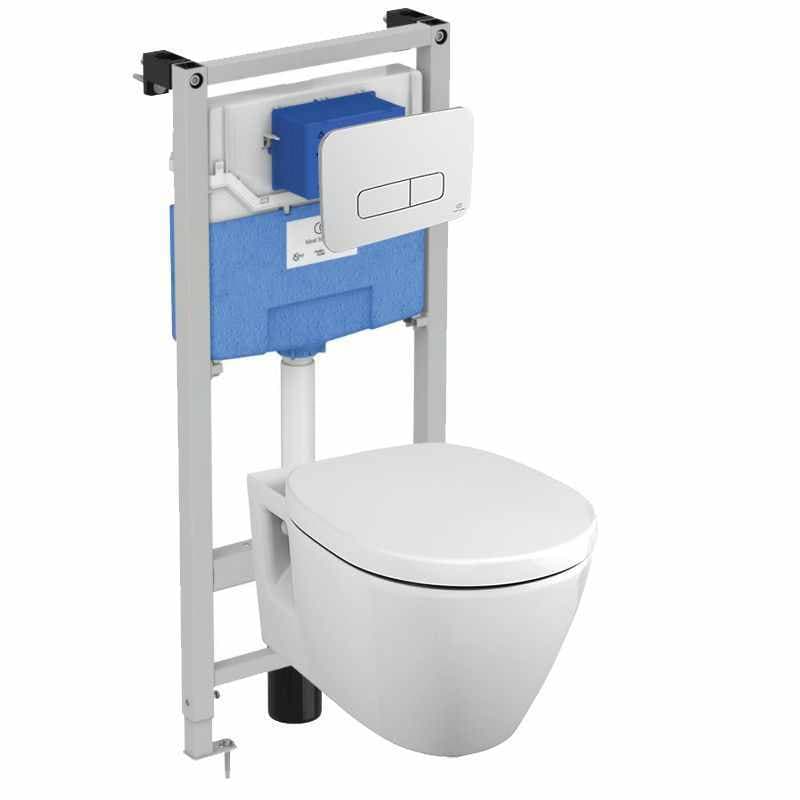
Installation of a built-in structure (toilet)
Built In Toilet Frame Installation
A built in toilet, also known as a wall hung toilet with a concealed cistern, is a modern upgrade that makes any bathroom look cleaner and feel easier to maintain. The flush tank and pipework sit inside a structural frame behind the wall, leaving only the pan and flush plate visible. This installation demands accuracy because the frame carries weight, the water connections must stay accessible, and the waste outlet must align perfectly.
Our team installs built in toilet structures for renovations and new builds, coordinating with tilers and drywall installers where needed. We focus on safe mounting, reliable connections, and a finish that looks level and works quietly from day one. Whether you are updating a small en suite or fitting out multiple bathrooms, we help you choose the right frame type and place it for comfort and long term serviceability.
What Is Included In Our Installation
Every bathroom layout is different, so we start with a practical assessment of the wall type, floor build up, and existing plumbing routes. The goal is to install the frame securely, keep the cistern reachable through the flush plate opening, and ensure the toilet sits at the correct height.
- Site check and planning including frame position, pan height, and flush plate access
- Frame fitting with proper anchors and load support to match the manufacturer requirements
- Water supply connection with quality valves and sealed joints to reduce leak risk
- Waste outlet alignment for smooth flow and fewer blockages over time
- Cistern setup including fill valve adjustment and flush volume configuration when available
- Testing for leaks, stable mounting, and correct flushing performance before closing the wall
If you also need pipe rerouting, shut off valve upgrades, or replacement of older bathroom lines, we can bundle the job with other bathroom plumbing services so the full system works together.
Our Installation Process Step By Step
1. Assessment, measurements, and product selection
We confirm whether the installation is suitable for a stud wall, a solid wall build out, or a dedicated service void. We also check compatibility between the frame, flush plate, and toilet pan, and we plan pipe routes that remain secure once the wall is closed.
2. Frame placement and structural fixing
The frame is set level and square, then anchored to floor and wall using correct fixings for the substrate. This step is critical because a built in frame must hold daily loads without movement. We set the bowl height to match your preference and typical standards, then double check clearances for comfortable use.
3. Plumbing connections and pressure checks
We connect the cold feed to the cistern with an isolation valve for future servicing. All joints are tightened and sealed correctly, then tested under pressure. We also verify the waste connection angle and seal to prevent hidden leaks behind the wall.
4. Function test before wall closure
Before the wall is finished, we test multiple flush cycles, listen for quiet refill, and confirm the overflow safety features work as intended. If you are coordinating with other trades, we provide clear guidance on access points and the best timing to close the wall. For homeowners who want one point of contact, our plumbing installation services can be scheduled alongside other bathroom fittings.
Common Challenges We Prevent
Built in toilet installations fail most often because of poor alignment, weak anchoring, or rushed wall closure. We avoid these issues with careful measurement and full testing.
- Incorrect pan height which can be uncomfortable and expensive to correct after tiling
- Misaligned waste outlet leading to slow drainage or repeated blockages
- No isolation valve making future maintenance harder and more disruptive
- Inadequate frame fixing causing movement, grout cracking, or noise
- Hidden leaks from untested joints behind finished walls
If you already have a concealed cistern that is leaking, running, or not flushing properly, we can also handle related toilet repair services and advise whether a repair or a full replacement is the smarter option.
Preparation And Aftercare
To keep your project on schedule, it helps to have the frame, pan, and flush plate on site before the appointment. If you are still choosing products, tell us the brand and model and we will confirm compatibility and any extra parts needed such as outlet bends or mounting kits.
After installation, we recommend keeping the flush plate area clear so internal components remain accessible. If you notice a slow refill, unusual noise, or dampness around the base, contact us quickly so we can inspect before minor issues become costly. With correct fitting and routine checks, a built in toilet system provides years of reliable performance and a clean, modern bathroom finish.
FAQ
Can a built in toilet be installed on any wall type?
In most cases yes, but the method depends on the structure. Stud walls often need a reinforced frame or service void, while solid walls may require a build out. We assess the wall and floor and recommend the safest fixing approach.
When should the toilet be tested during a renovation?
It should be fully pressure tested and flushed several times before the wall is closed and tiled. This confirms there are no leaks, the outlet drains properly, and the cistern refills quietly. Testing at this stage prevents expensive rework later.
What maintenance access is available after the wall is finished?
The cistern components are designed to be accessed through the flush plate opening. This allows replacement of fill and flush valves without breaking tiles. We ensure the access area is correctly aligned and unobstructed during installation.