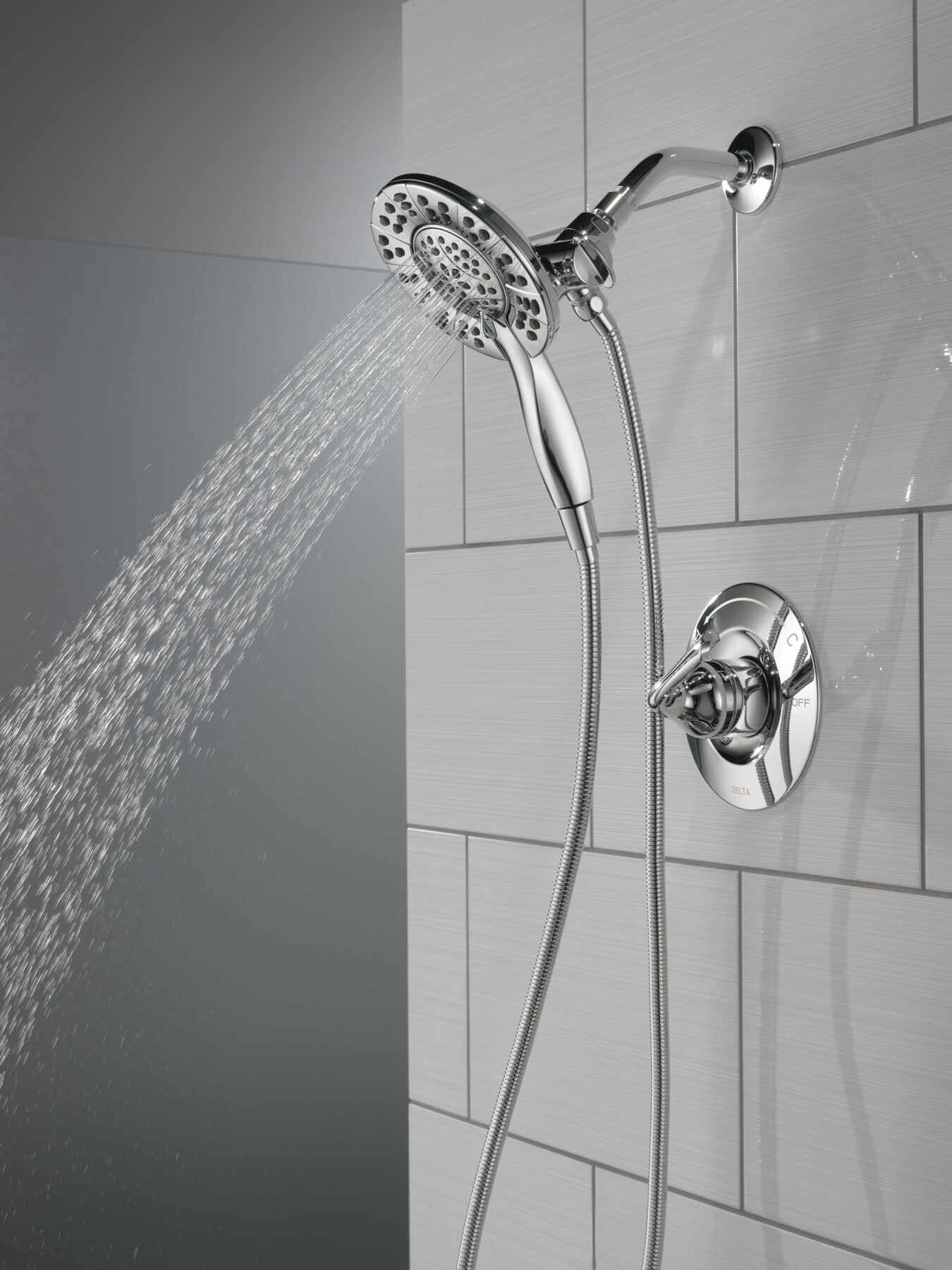
Installation of a shower faucet
Shower Faucet Installation
A new shower faucet can transform how your bathroom looks and feels, but the installation needs to be done correctly to avoid leaks, low pressure, or hidden water damage behind the wall. Whether you are upgrading to a modern thermostatic mixer, replacing a worn valve, or fitting a new shower set after renovations, our team installs shower faucets with careful attention to safety, finish quality, and long term reliability. We work with common brands and configurations, and we help you choose a setup that suits your water pressure and daily routine.
What is included in our shower faucet installation
Every bathroom is different, so we begin by confirming the existing plumbing layout and the type of faucet you want to install. We check pipe condition, access points, and whether the installation is exposed, like a surface mounted mixer, or concealed behind a tiled wall. From there, we install the faucet according to manufacturer requirements and verify smooth operation before we leave.
- Assessment of compatibility with your current pipework, valve location, and water pressure
- Removal of the old faucet and cleaning of mounting surfaces and threads
- Installation of the new shower faucet including mixer, cartridge, trims, and shower outlet connections
- Sealing and watertight finishing at wall entries and mounting points to prevent moisture ingress
- Functional testing for hot and cold balance, temperature stability, and flow rate
- Leak checks under operating pressure, including checks behind access panels when available
If the job requires additional work, like replacing damaged connectors, correcting reversed hot and cold lines, or adding isolation valves for easier future maintenance, we will explain your options clearly before proceeding. For broader bathroom plumbing needs, you can also explore our bathroom plumbing services to see related support we provide.
Our installation process
1. Preparation and safe isolation
We shut off the water supply to the relevant line and relieve pressure before disconnecting anything. This protects your property and prevents sudden water release. We also protect nearby surfaces, especially in finished bathrooms, to reduce the risk of scratches to tiles, trays, and fittings.
2. Removal and inspection
Old faucets often hide issues like worn threads, limescale buildup, deteriorated washers, or small corrosion points that can cause slow leaks later. We remove the old unit carefully, inspect the condition of the fittings and pipe ends, and confirm that the new faucet will seat correctly.
3. Precise installation and alignment
Correct alignment matters for both appearance and performance. We set the faucet to sit level and centered, tighten connections to the proper torque, and use suitable sealing methods depending on the connection type. For concealed valves, we pay close attention to depth and trim placement so the handle movement is smooth and the plate sits flush.
4. Testing and final checks
After restoring water supply, we test the faucet through a full range of operation. We verify temperature response, pressure, diverter switching if included, and stable flow with no vibration or water hammer. We also check for drips after shutdown, since small seepage can indicate a sealing issue that should be corrected immediately.
Choosing the right shower faucet
If you have not purchased the faucet yet, we can help you avoid common compatibility problems. Not all systems suit every home, and a quick check can prevent returns and delays.
- Manual mixer is a practical choice and works well in many homes, but temperature can vary if other taps are used at the same time.
- Thermostatic mixer helps maintain a consistent temperature and can improve comfort, especially for families, but it requires correct installation and adequate supply conditions.
- Concealed valve sets offer a clean look, though access planning is important for future servicing.
We also consider water pressure, pipe material, and the location of existing inlets. If your shower currently suffers from weak flow or fluctuating temperature, we can advise on practical upgrades during the same visit, including targeted water pressure repair options where appropriate.
Common issues we prevent during installation
- Persistent leaks caused by incorrect sealing or worn connection points
- Hot and cold supplies connected in reverse, which can affect thermostatic valves
- Loose wall entries that allow moisture behind tiles and can damage grout or plasterboard
- Cartridge problems caused by debris in the line, especially after renovation work
- Noisy pipes or hammering due to sudden valve closure or unsecured pipework
When we spot underlying problems, we explain them in plain language and offer sensible fixes. If you need a wider scope of plumbing help, our plumbing installation services cover everything from bathroom fixtures to system improvements.
What you can expect from our team
We treat your home or premises with care and aim to leave the work area clean and tidy. You will receive clear communication on timing, parts requirements, and any additional work that may be needed once the old faucet is removed. Our goal is a dependable installation that looks great, operates smoothly, and stays leak free for the long run.
If you are ready to replace a faulty shower faucet or install a new one as part of a bathroom upgrade, we can schedule a visit, confirm the fitting type, and complete the work with reliable testing and a neat finish.
FAQ
Do I need to turn off the water for a shower faucet installation?
Yes. The supply must be isolated to the shower line, and pressure should be released before removing the old faucet. If there are no local isolation valves, the main shutoff may be required.
Can you install a thermostatic shower mixer on an existing setup?
In many cases, yes, but it depends on pipe layout, water pressure, and correct hot and cold orientation. We will check compatibility first and recommend any small adjustments needed for stable temperature control.
How do I know if my shower faucet is leaking behind the wall?
Warning signs include damp patches, peeling paint, a musty smell, or a rising water bill. If you suspect hidden leakage, stop using the shower and arrange an inspection as soon as possible.