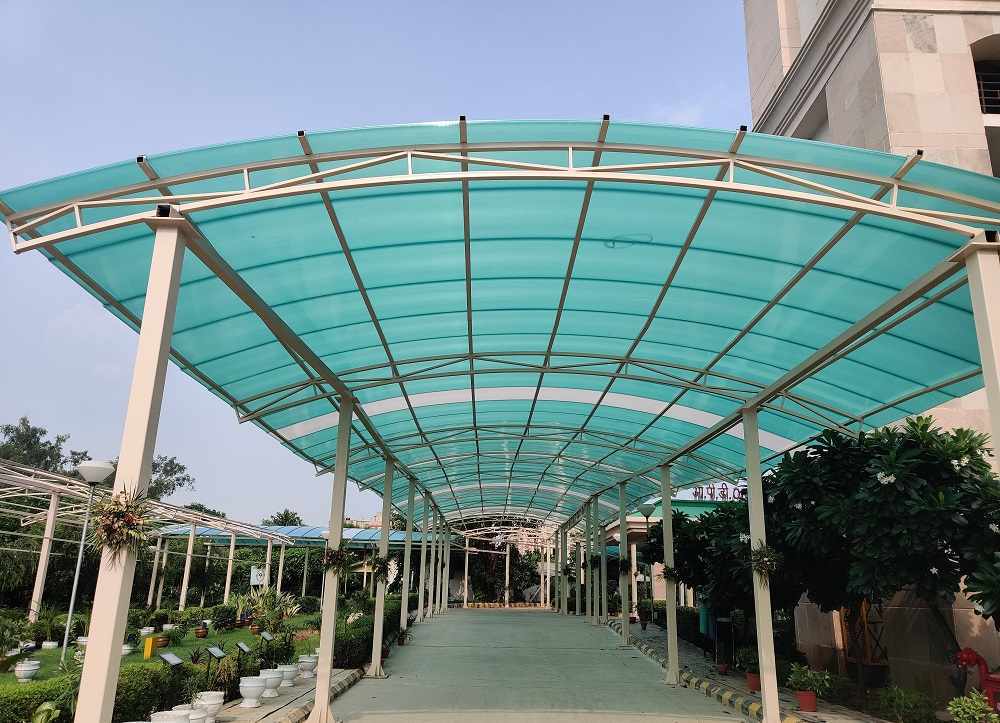
Polycarbonate roof repair
Polycarbonate Roof Repair
Polycarbonate roofing is a popular choice for conservatories, patio covers, carports, skylights, and industrial canopies because it is lightweight, bright, and impact resistant. Over time, however, exposure to wind, UV, temperature changes, and installation movement can lead to leaks, rattling panels, and visible cracking. When water starts getting in, quick action helps prevent damage to timber frames, insulation, electrics, and interior finishes.
Common Problems We Fix
Polycarbonate roof issues often start small and become more noticeable during heavy rain or strong wind. We diagnose the cause, not just the symptom, so the repair lasts and the roof stays stable and watertight.
- Leaks at joints and edges due to worn seals, lifted glazing bars, or incorrectly seated caps.
- Cracked or split sheets from impact, overtightened fixings, or thermal expansion stress.
- Blown out or rattling panels caused by missing fasteners, damaged end closures, or storm uplift.
- Condensation and dripping linked to blocked channels, failed anti dust tape, or poor ventilation paths.
- Discoloured or brittle polycarbonate from long term UV exposure, leading to reduced strength and light quality.
- Blocked gutters and outlets that force water back under the roof edge and into the structure.
If you are unsure whether a repair or a replacement is needed, we will explain the condition of the roof clearly and recommend the most cost effective approach.
Our Repair Process
1. Inspection and leak tracing
We start with a careful check of the sheets, glazing bars, fixings, flashings, and drainage points. Many leaks present far from the entry point, so we look for capillary tracking, wind driven rain paths, and movement at joints. If required, we can carry out targeted roof inspections and repairs to confirm the exact failure before any parts are changed.
2. Sheet and fixing repairs
Where possible, we repair without disturbing more of the roof than necessary. This can include replacing cracked panels, upgrading fixings to the correct type, adding expansion allowances, or renewing end closures and breathable tapes. We also address problems caused by overtightened screws or missing washers, which can create stress fractures and persistent drips.
3. Sealing and waterproofing details
Successful polycarbonate repair depends on correct detailing rather than heavy sealant use. We renew gaskets and seals, reseat glazing caps, and repair junctions where the roof meets walls or existing structures. If your roof includes lead, aluminum, or proprietary abutment systems, we restore these interfaces so water is directed safely into gutters. For clients who need broader protection after storms, our team can coordinate roof leak repair work that includes adjoining roof sections, flashings, and drainage checks.
4. Drainage and finishing checks
We clear gutters, outlets, and any built in channels to prevent overflow. Finally, we test the repaired areas, confirm panel stability, and advise on simple upkeep steps that reduce future issues.
Repair Options for Different Roof Types
Polycarbonate is used in many formats, and repairs must match the system. We work with common sheet profiles and multiwall panels, as well as purpose made conservatory roof structures.
- Conservatory roofs with glazing bars, ridge details, and wall abutments that often need seal and cap renewal.
- Lean to and patio covers where wind uplift can loosen edge trims and end closures.
- Carports and canopies where impact and vibration can crack sheets around fixings.
- Industrial skylights and rooflights that require careful waterproof detailing and safe access planning.
When age or brittleness makes patching unreliable, we can replace affected sections and upgrade components so the roof performs better in high wind and heavy rain.
When to Call for Service
Do not wait for a major leak. Early warning signs are often easy to spot and cheaper to resolve. Contact us if you notice dripping after rain, staining around joints, unusual drafts, rattling panels, or visible cracks. If a storm has displaced sheets or opened up a joint, we can arrange emergency roof repair to secure the roof and prevent further water entry.
What You Can Expect
- Clear scope of work with an explanation of the fault and the repair method.
- Careful handling of sheets to avoid creating new stress points during the repair.
- Compatible materials selected for outdoor exposure, movement, and waterproof performance.
- Respect for your property including tidy working practices and safe access management.
Whether your polycarbonate roof needs a small sealing correction or a more involved panel and flashing repair, we focus on restoring weather protection, reducing noise and movement, and extending the life of your roof with workmanship you can rely on.
FAQ
Can a cracked polycarbonate sheet be repaired or does it need replacement?
Small edge cracks can sometimes be stabilised by correcting the fixing stress and renewing seals, but most split panels are best replaced. Replacement prevents leaks returning and avoids the crack spreading with temperature changes.
Why does my polycarbonate roof leak only during wind driven rain?
Wind can force water under lifted caps, poorly seated seals, or wall junction flashings. A targeted inspection usually finds a small movement point that needs reseating, gasket renewal, or flashing correction.
How do you reduce condensation and dripping under polycarbonate roofing?
We check for blocked channels, damaged end tapes, and missing ventilation paths that trap moisture. Cleaning drainage routes and renewing the correct breathable tapes and closures typically makes a noticeable difference.