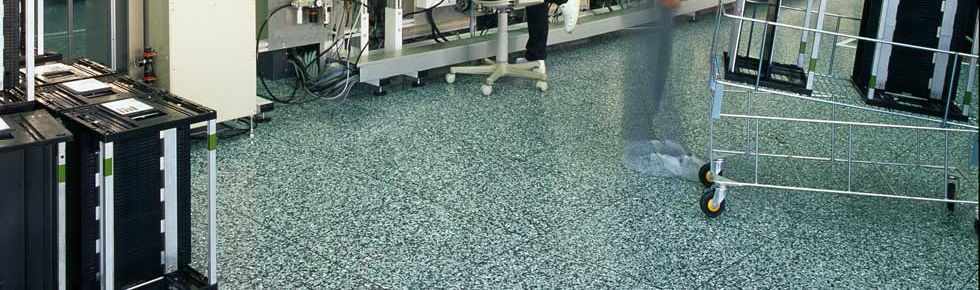
Installation of electrically conductive flooring
Electrically Conductive Flooring Installation
Electrically conductive flooring is a specialist solution designed to safely dissipate static electricity in controlled environments. It is commonly specified for electronics production, laboratories, clean rooms, server areas, medical spaces, and any workplace where electrostatic discharge can damage equipment, disrupt processes, or create a safety risk. Our team installs conductive and static dissipative floors with careful attention to performance, durability, and compliance requirements.
We manage the full installation process, from assessing the existing base to final testing and handover. Whether you need a new ESD floor in a high use commercial unit or a retrofit in an occupied building, we plan the work to minimize downtime and ensure the finished surface meets the electrical resistance targets for your site.
Where Conductive Floors Are Used and Why They Matter
Static electricity can build up through everyday movement, rolling trolleys, packaging, and dry indoor air. In sensitive environments, this static can discharge into components or devices, leading to failures that are difficult to trace. In other settings, static can attract dust and compromise cleanliness standards, or in rare cases present an ignition risk where flammable substances are handled.
Conductive flooring works as part of an ESD control system that may also include footwear, grounding points, benches, and humidity management. We help you choose the appropriate system based on how the room is used, the required resistance range, and expected traffic. If you are comparing materials alongside other floor covering services, we can explain the differences between conductive vinyl, rubber, epoxy systems, and static dissipative options, including maintenance needs and life cycle value.
Our Installation Process
1. Site survey and specification support
Every project begins with a practical survey. We review the substrate condition, moisture levels, existing coatings, movement joints, and any constraints such as raised access floors or thresholds. If you already have a specification, we install to it. If you need guidance, we can support the selection of an appropriate conductive system and layout, including grounding strategy and accessory details.
2. Subfloor preparation
Conductive floors only perform as intended when the base is stable, level, and properly prepared. We remove unsuitable layers where required, repair weak areas, and apply compatible primers and smoothing compounds. Where leveling is needed, we use products suited to conductive systems, so the final build up supports both performance and long term adhesion.
3. Grounding and conductive components
We install copper tape grids or other specified conductive pathways, then connect these to approved earthing points. This stage is critical. Correct placement, continuity, and protection of conductive elements ensures the finished floor can safely channel static away from people and equipment.
4. Laying the conductive finish
Depending on the selected solution, we install conductive vinyl tiles, sheet vinyl, rubber, or resin based systems using compatible conductive adhesives and installation methods. Seams are welded or treated as required, edges are finished cleanly, and details around drains, columns, doorways, and equipment bases are completed to a high standard. Clients often coordinate this work with other floor installation services across adjoining areas, and we can plan transitions so the building remains functional and compliant.
5. Testing, documentation, and handover
After installation, we carry out resistance testing in line with the agreed standard and manufacturer guidance. We can provide test results and care recommendations so your facilities team knows how to preserve performance. If follow up testing is required after the space is commissioned, we can schedule it at a time that suits your operations.
Quality, Compliance, and Safety
Conductive flooring is not a standard fit out product. Small mistakes in preparation, adhesive choice, grounding, or seam treatment can compromise electrical properties. We focus on the details that protect performance, including controlled site conditions, correct curing times, and careful sequencing with other trades. Where needed, we also coordinate with your electrician for earthing point readiness and verification.
- Compatible materials including conductive adhesives, tapes, and primers
- Clean installation practices suited to labs, clean zones, and technical rooms
- Clear edge and junction detailing at thresholds, coving, and service penetrations
- Measured results with practical maintenance guidance for ongoing compliance
Maintenance and Aftercare
Long term ESD performance depends on appropriate cleaning products, correct dilution, and avoiding waxes or finishes that insulate the surface. We advise on routine cleaning, periodic deep cleaning, and how to recognize early signs of wear or contamination. If damage occurs, targeted repairs may be possible without replacing the entire floor, depending on the material and layout.
Many clients pair installation with planned floor maintenance services to keep surfaces compliant and looking professional in high traffic areas. We can recommend schedules based on your shift patterns, wheeled loads, and cleaning regime.
What We Need From You to Quote Accurately
- Room size and layout, including drawings if available
- Current subfloor type and condition, plus any known moisture issues
- Target standard or resistance range if specified
- Site access details, working hours, and any shutdown windows
- Preference for tile, sheet, rubber, or resin systems if already selected
If you want a conductive floor that is installed correctly, tested properly, and finished neatly at every detail, we can plan the work around your site requirements and deliver a surface you can rely on.
FAQ
How long does conductive flooring installation take?
Timing depends on subfloor condition, area size, and the selected system. Many small rooms can be completed in 1 to 3 days, while larger sites may require phased work plus curing time. We confirm a schedule after the site survey and preparation assessment.
Do you test the floor after installation?
Yes, we perform resistance testing after installation in line with the agreed standard and manufacturer guidance. Results can be documented for your records and compliance needs. If commissioning activities could affect readings, we can also arrange re testing after the space is in use.
Can conductive flooring be installed over an existing floor?
Sometimes, but only if the existing surface is stable, compatible, and properly prepared. In many cases, old coatings, damaged vinyl, or uneven layers must be removed to ensure adhesion and electrical performance. We confirm the best approach during the survey and moisture checks.