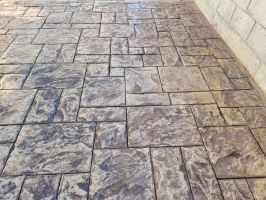
Laying of stamped concrete
Stamped Concrete Laying
Stamped concrete is a durable, decorative surface that mimics the look of stone, brick, slate, or wood while keeping the strength and practicality of concrete. It is an excellent choice for patios, driveways, walkways, pool surrounds, and commercial entrances where you want a premium finish that stands up to daily use and changing weather.
Our stamped concrete service covers every step, from preparation and reinforcement to stamping, coloring, and sealing. We focus on clean layout lines, consistent texture, and long term performance so your new surface looks great and stays reliable for years.
Where Stamped Concrete Works Best
Stamped concrete offers design flexibility without the joints and shifting commonly found with individual pavers. It can be tailored to modern or traditional properties and is suitable for both private and high traffic areas.
- Patios and terraces for stylish outdoor living areas that are easy to maintain
- Driveways built for weight and wear, with patterns that add curb appeal
- Paths and walkways that improve safety and create clear movement around a property
- Pool decks with textures that can be finished for better grip underfoot
- Commercial zones such as shopfronts, courtyards, and access routes that need a tough surface
If you are also planning interior upgrades, we can coordinate schedules with other floor covering services to reduce disruption and keep your project moving smoothly.
Our Process for Laying Stamped Concrete
1. Site assessment and planning
We begin by checking levels, drainage direction, ground condition, and access. We discuss pattern options, borders, step details, and color tones, then set out a plan that fits your property and intended use. Good planning prevents issues like standing water, uneven edges, or premature cracking.
2. Groundworks and base preparation
A stable base is essential. We excavate to the correct depth, install a compacted sub base, and add formwork to define the shape. Where required, we install reinforcement to improve strength and help manage movement. Expansion joints are placed in sensible locations to reduce the chance of random cracking.
3. Concrete pour, coloring, and stamping
We pour and level the concrete to consistent thickness, then apply color hardeners or integral pigment depending on the agreed finish. Timing matters. Stamping is done at the correct stage of curing so patterns are crisp and the surface remains strong. We use professional stamping mats and tools to create realistic textures and tidy edges.
4. Detailing, curing, and sealing
After stamping, we refine joints and borders, then allow proper curing. Finally, we apply a suitable sealer to enhance color, improve stain resistance, and protect against weathering. We can also add a slip resistant additive where extra grip is needed, particularly around pools and sloped walkways.
Design Options, Colors, and Finishes
Stamped concrete is popular because it can be customized without complicated installation. We help you choose a finish that complements your building and landscaping. Options may include ashlar slate, cobblestone, brick herringbone, wood plank textures, and decorative borders.
- Color choices from natural earth tones to bolder contrasts, including multi tone effects
- Matte or enhanced sheen depending on the sealer and desired look
- Borders and banding to frame a driveway or define zones on a patio
- Texture selection to balance comfort, grip, and realism
For projects that combine outdoor concrete with interior upgrades, our team can align timelines with professional flooring services so you do not have multiple contractors overlapping on site.
Maintenance and Aftercare
Stamped concrete is straightforward to look after, especially when sealed correctly. Regular sweeping and occasional washing help keep it clean, and prompt removal of spills can prevent staining. In exposed areas, periodic resealing helps preserve color and improves protection against moisture and wear.
- Clean with a mild detergent and avoid harsh chemicals unless recommended
- Use a soft pressure wash setting to protect the sealer
- Do not use metal shovels on the surface in icy conditions
- Reseal when you notice dulling, increased absorbency, or higher dirt pickup
If your property also includes interior surfaces that need ongoing care, you can explore related floor maintenance services alongside your outdoor improvements for a consistent finish across the whole site.
Why Choose Our Team
Stamped concrete only looks its best when the groundwork, timing, and finishing are handled correctly. We focus on preparation, clear communication, and neat workmanship. You can expect reliable scheduling, careful site protection, and a final result that is built to last and designed to impress.
Contact us to discuss your stamped concrete project, request pattern and color guidance, and arrange a site visit so we can provide a precise plan and quotation.
FAQ
How long does stamped concrete take to install?
Most residential patios and driveways take 2 to 5 days depending on size, access, and weather. This includes preparation, pouring, stamping, and initial curing. We will confirm a realistic timeline after a site assessment.
Is stamped concrete slippery when wet?
It can be, especially with a high gloss sealer. We can adjust the finish and add a slip resistant additive to improve grip, which is recommended for pool decks and sloped areas. Choosing the right texture also helps reduce slipperiness.
When should stamped concrete be resealed?
Resealing is typically needed every 2 to 4 years depending on traffic, sun exposure, and cleaning methods. If the color looks faded or water no longer beads on the surface, it is a good sign the sealer is wearing. We can advise the best sealer type for your location and usage.