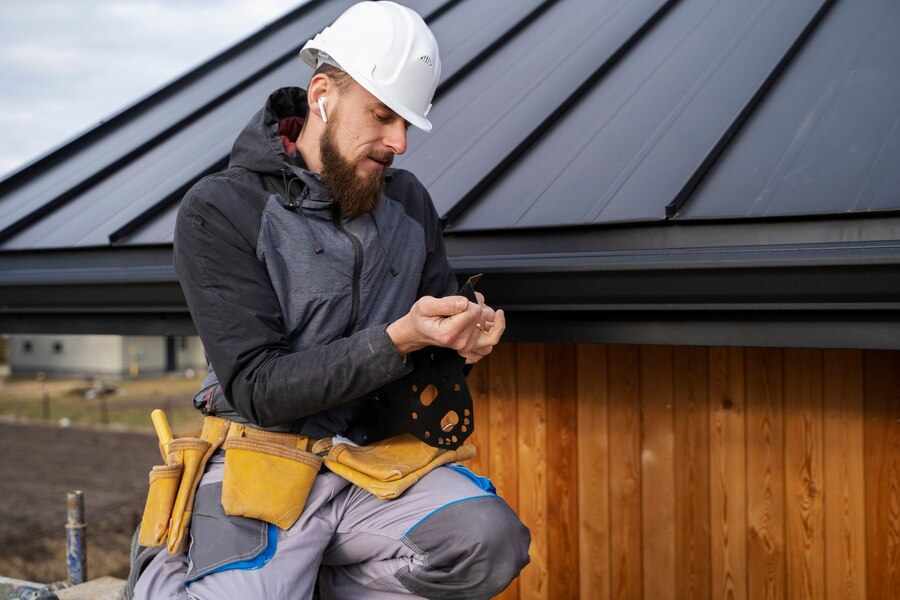
Replacement of gutters and downspouts
Gutter and Downspout Replacement
Worn or leaking gutters can quickly turn a small exterior issue into damp walls, stained brickwork, and water around your foundations. If your system is sagging, overflowing, or pulling away from the fascia, a full replacement is often the most reliable and cost effective option. We replace gutters and downspouts with durable materials, secure fixing points, and a layout that moves rainwater safely away from your home or premises.
Our team removes old sections, checks the condition of brackets and fascia boards, and installs a new system sized for your roof area and local rainfall. We focus on clean lines, correct fall, and sealed joints so water flows where it should, even during heavy downpours. If you suspect problems higher up, we can also coordinate related roof inspections and repairs to ensure the full drainage path works as one.
When Replacement Is the Best Choice
Some gutter issues can be repaired, but repeated failures usually point to a system that has reached the end of its service life. Replacement helps prevent recurring callouts and protects the building envelope for the long term. We will always explain what we find and why a replacement is recommended.
- Persistent leaks at joints that return soon after resealing
- Rust, cracks, or brittle sections that cannot be reliably patched
- Sagging or poor alignment caused by weak brackets or warped runs
- Overflow during rain due to undersized gutters or incorrect fall
- Downspouts discharging too close to the foundation or into problem areas
- Visible water damage such as fascia rot, peeling paint, or damp patches
If water is getting behind the gutters, the issue may involve the roof edge or flashing. In those cases, we can advise on related roof flashing repair so your new gutters are not undermined by hidden defects.
Our Replacement Process
1. Site assessment and measurements
We inspect your current gutters and downspouts, measure the roofline, and identify where water should discharge. This includes checking valleys, corners, and areas that collect heavy runoff. We also review access, safe working setup, and any existing drainage connections.
2. Choosing the right materials and layout
We help you select a system that suits the building, budget, and expected lifespan. Options vary by property and can include different profiles, finishes, and bracket styles. We also plan the number and positioning of downspouts to prevent bottlenecks, reduce overflow, and limit splashback.
3. Removal and preparation
Old gutters are removed carefully to avoid damage to fascia, soffits, or roof edges. We check the condition of fixing points and replace brackets where needed. If fascia boards show rot or soft spots, we will highlight it before installing new components so the final result remains secure.
4. Installation and water testing
New runs are installed with the correct fall, sealed at joints, and fixed firmly along the full length. Downspouts are attached and directed to a suitable discharge point. We finish by testing water flow and checking for pooling, drips, and overflow risk.
What You Can Expect
Replacing gutters and downspouts is not just a cosmetic upgrade. Done properly, it protects walls, windows, and foundations while improving the look of the roofline. We aim for a neat finish and long lasting performance, with clear communication throughout the job.
- Reliable drainage designed to handle heavy rainfall
- Secure fixing to prevent sagging and movement in wind
- Clean appearance with aligned runs and tidy corners
- Protection against damp by moving water away from the building
- Advice on improvements such as splash blocks or better discharge routing
For properties with ongoing moisture issues, we can also recommend complementary measures, including targeted roof drainage repair where the roof surface and outlets contribute to overflow.
Frequently Asked Questions During a Replacement
Will you replace just the gutters or also the downspouts?
We can do either, but replacing both at the same time often delivers the best result. New gutters connected to old downspouts can still overflow if the vertical pipework is restricted, undersized, or incorrectly routed. We will explain the most sensible scope after inspection.
Do I need gutter guards?
Guards can reduce blockages in areas with heavy leaf fall, but they are not always necessary. The best option depends on roof type, nearby trees, and how often the system is cleaned. We can advise on pros and cons, and install compatible solutions if requested.
How do I know if water is damaging my home?
Common signs include staining under the gutter line, algae streaks, damp patches indoors, or puddling near the foundation after rain. You might also see peeling paint on fascia boards or hear water cascading over the edge during storms. A replacement is a good time to correct discharge points and prevent repeat damage.
If your gutters or downspouts are leaking, sagging, or overflowing, we can assess the system and install a replacement that keeps rainwater under control and your property protected year round.
FAQ
How long does gutter and downspout replacement take?
Most standard homes can be completed in a day, depending on access and the number of runs and downspouts. Larger properties or added repairs to fascia may take longer, and we will confirm timing after inspection.
Can new gutters stop water from getting into my walls?
New gutters help by capturing runoff and directing it away from the building, which reduces damp and staining. If water is getting behind the gutter due to roof edge issues, we will flag that so it can be corrected alongside the replacement.
What is the best way to prevent gutters from overflowing?
Overflow is usually caused by blockages, undersized gutters, or too few downspouts. A properly sized system with correct fall, clear discharge routes, and periodic cleaning will prevent most overflow problems.