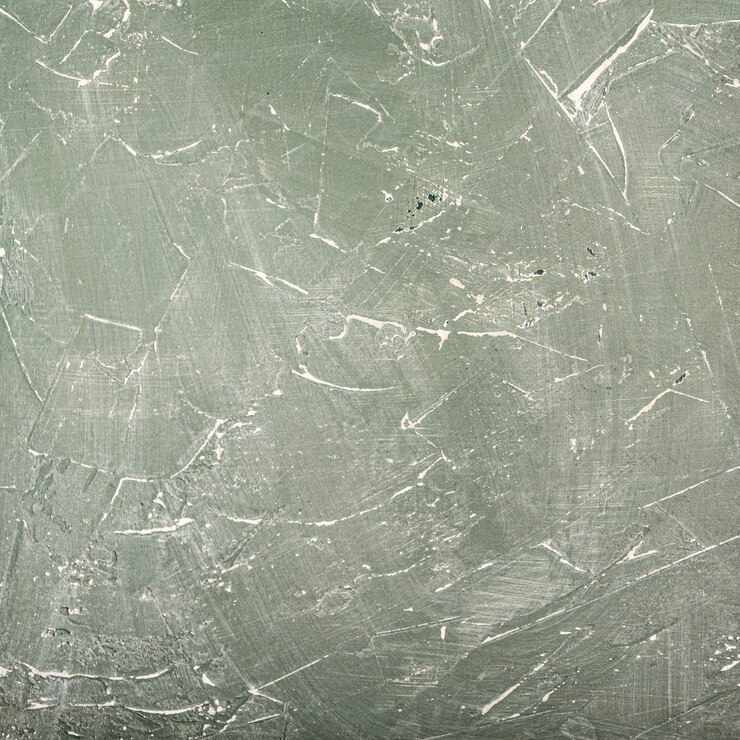
Scratched plaster
Scratched Plaster Repair
Scratched plaster can make an otherwise tidy room look worn, even when the damage is minor. Marks from moving furniture, pet claws, door handles, or everyday wear often catch the light and stand out on painted walls and ceilings.
Our scratched plaster repair service restores smooth, clean surfaces so your finish looks even again. We focus on a durable repair that blends into the surrounding area, ready for painting or matching touch ups where possible.
What Causes Scratches and Why They Matter
Plaster is strong, but the surface can still be damaged by impact or abrasion. A scratch may look superficial, yet it can open a path for moisture, cause paint to flake, or turn into a wider crack after repeated temperature changes and vibration.
Common situations we handle include:
- Light scuffs and shallow scratches in painted plaster
- Deep scratches exposing base coat or old repairs
- Dragged furniture marks and corner damage near doorways
- Scratches on ceilings from ladders, fittings, or maintenance work
- Scraped textured finishes where pattern needs rebuilding
If the damage is widespread, caused by movement, or linked to larger surface issues, we may recommend a broader approach that ties into wall and ceiling finishing so the final result is consistent across the room.
How We Repair Scratched Plaster
1. Inspection and preparation
We start by checking the scratch depth, the stability of the surrounding plaster, and any signs of previous patching. Loose material is removed, edges are cleaned, and the area is dust free so the repair can bond properly. We protect floors and nearby surfaces and isolate the working zone to keep disruption low.
2. Filling and rebuilding the surface
The repair method depends on the damage. For light scratches, a fine filler or skim compound may be enough. For deeper damage, we rebuild in layers so the patch stays stable and does not sink back after drying. Where needed, we use reinforcement techniques to reduce the risk of future cracking around the repaired area.
3. Sanding and blending
After curing, we sand carefully to achieve a flat finish that merges into the existing wall or ceiling. Blending is the difference between a repair you can spot and one that disappears. We feather edges, check the surface under angled light, and correct any minor imperfections before final preparation.
4. Texture matching and ready for paint
If your plaster has a texture, we rebuild the pattern so it looks natural, not patched. We can leave the surface ready for your painter, or complete painting as an add on depending on your needs and the condition of the surrounding paint. In properties with ongoing renovation work, scratched plaster repair is often coordinated with interior wall construction or ceiling upgrades to avoid repeated touch ups later.
When Repair Is Enough and When More Work Is Needed
Many scratches are straightforward repairs, but sometimes the visible mark is a sign of a bigger issue. We will explain what we find and offer practical options based on your goals and budget.
- Repair is usually enough for isolated scratches, scuffs, and localized dents where the plaster is sound.
- A wider skim may be best when there are many scratches, uneven sheen, or multiple old patches across one wall.
- Additional investigation may be needed if there is recurring cracking, hollow sounding areas, damp staining, or movement at joints.
For clients planning remodels, we can advise how scratched plaster repairs fit into construction of walls and ceilings so new and existing surfaces meet neatly and finish to the same standard.
What to Expect From Our Service
We aim for a clean process and a repair that lasts. You will receive clear guidance on drying times, when it is safe to paint, and how to avoid re marking fresh plaster.
- Careful protection of floors, trim, and furniture
- Dust controlled sanding where possible
- Materials selected for your surface type and finish
- Repairs that blend into surrounding areas under natural light
- Honest advice if a full skim or broader work is more cost effective
Whether you need a small touch up before a viewing or a more involved repair across several rooms, we will restore the surface so your walls and ceilings look clean, smooth, and well cared for.
FAQ
Can you repair scratched plaster without repainting the whole wall?
Yes, in many cases we can repair the damaged area and leave it ready for a local touch up. Exact paint matching depends on age, sheen, and sun fading, so we will advise whether spot painting will blend well.
How long does a plaster scratch repair take to dry before painting?
Most small repairs can be painted after they are fully dry, often within 24 to 48 hours depending on depth, ventilation, and humidity. Deeper fills may need longer, and we will confirm the safest timing on site.
What if the scratch keeps coming back in the same place?
Recurring marks can indicate movement, a weak substrate, or repeated impact such as a door handle or furniture contact. We can strengthen the repair and also recommend practical prevention like door stops or corner protection.