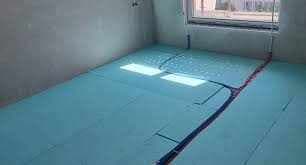
Installation of floor insulation
Floor Insulation Installation
Cold floors can make an entire home feel uncomfortable, even when the heating is on. Proper floor insulation helps reduce heat loss, improves comfort underfoot, and can lower energy use by keeping warmth where it belongs. Our team installs floor insulation in new builds and existing properties, tailoring the solution to your floor type, access options, and comfort goals.
Why insulate your floor
Floors are a major pathway for heat to escape, especially above unheated spaces like crawl spaces, garages, or ventilated voids. Insulation creates a thermal barrier that reduces drafts and evens out temperature differences between rooms. Many clients also notice quieter rooms because insulation can dampen sound transmission between floors.
- Improved comfort with warmer surfaces and fewer cold spots.
- Lower heat loss which can support reduced heating demand.
- Moisture control when combined with the right membranes and ventilation approach.
- Better acoustics in multi level homes and apartments.
If you are combining insulation with new finishes, we can coordinate the work with your floor covering services plan so the insulation layer, subfloor, and final surface work together properly.
Our installation approach
1. Site assessment and recommendations
Every floor is different. We start by checking the structure, access, existing insulation, ventilation, and any signs of damp. We also discuss how the space is used, your comfort issues, and whether you plan to change the final floor finish. Based on this, we recommend the most suitable insulation type and thickness, plus any supporting layers needed for performance and durability.
2. Preparation and protection
Before installation we prepare the work area to keep dust and disruption low. We lift existing floor coverings when required, protect adjacent surfaces, and inspect the subfloor for damage, movement, or uneven sections. Where necessary, we can advise on repairs or subfloor preparation so the insulation and the floor above remain stable.
3. Installing the insulation system
We install insulation using methods suited to your floor construction, for example between joists on suspended timber floors, or as part of a build up on solid floors where levels allow. We pay close attention to continuity, sealing gaps, and preventing thermal bridges at edges and penetrations. If a vapour control layer or airtightness detailing is appropriate, we install it to reduce condensation risk and protect the structure.
4. Reinstatement and coordination with flooring
Once insulation is complete, we refit the subfloor layers and prepare the surface for the finish you choose. If you are planning new flooring, we can align insulation thickness, underlay, and thresholds so doors still clear and transitions look neat. Many clients schedule insulation at the same time as flooring installation to avoid duplicated labour and to achieve a cleaner final result.
Types of floors we work with
We install floor insulation across common residential and light commercial floor structures. The exact materials and method depend on performance requirements, moisture exposure, and available depth.
- Suspended timber floors including ventilated voids and crawl spaces.
- Solid floors where insulation can be added above the slab as part of a renovation build up.
- Rooms over unheated areas such as garages and storage spaces.
- Apartment floors where thermal comfort and acoustic improvement are priorities.
If you are unsure what floor construction you have, we can identify it during the assessment and explain the options in plain terms.
What to expect during the job
Floor insulation work can be completed quickly in many homes, though timelines vary depending on access and the need to lift and refit finishes. We communicate clearly about the sequence of work, noise, and any areas that need to be kept clear. Our goal is to deliver a clean installation with minimal disruption and careful attention to the details that affect long term performance.
- Confirm scope, insulation specification, and access points.
- Prepare the area and inspect the subfloor and structure.
- Install insulation and required membranes or sealing.
- Reinstate subfloor and prepare for final finish.
- Final checks for gaps, levels, and edge detailing.
When floor insulation is most effective
Insulating your floor is especially worthwhile if you feel drafts at skirting level, notice cold zones near external walls, or have a room above an unheated void. It can also be a smart upgrade during renovations, since the best results often come from combining insulation with improvements to subfloor condition and the finished surface. If you are also considering upgrades to your professional flooring services, we can help plan a practical sequence that protects your new finish and maximises comfort.
To book an assessment or discuss the best insulation option for your property, contact us and we will arrange a convenient time to review your floor and provide a clear, tailored recommendation.
FAQ
Do you need to remove the existing flooring to install floor insulation?
Often yes for suspended timber floors, because insulation is typically fitted between joists or beneath the subfloor. For some projects with access from below, removal may be avoided. We confirm the best approach after inspecting the floor construction and access.
Will floor insulation help with damp or condensation issues?
It can, but only when the correct materials and moisture control details are used. We check ventilation, existing damp signs, and whether a vapour control layer is needed. Proper installation helps reduce cold surfaces that contribute to condensation.
How long does floor insulation installation take?
Many rooms can be completed within a day, but the timeframe depends on access, subfloor condition, and whether flooring needs to be lifted and refitted. After a site check we provide a clear schedule and explain any steps that could add time, like repairs or leveling.