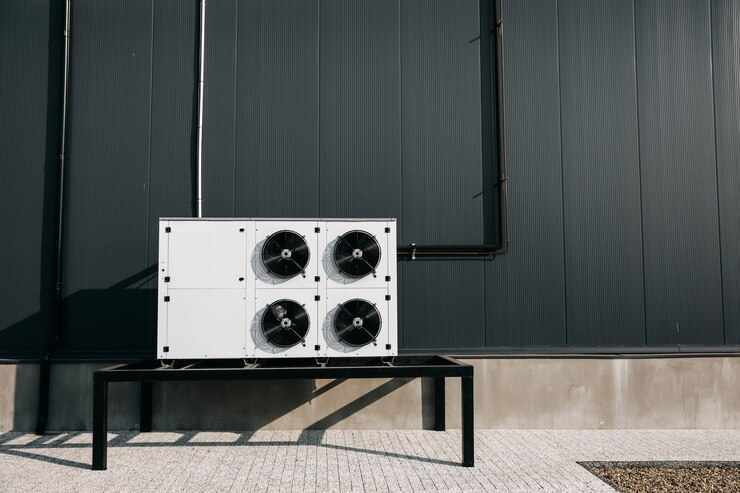
Installation of heat pumps
Heat Pump Installation for Comfortable, Efficient Homes
Heat pumps are a smart way to heat and cool your home with one system, while reducing energy use compared to many traditional options. Whether you are replacing an old boiler, upgrading electric heating, or fitting out a new build, a correctly sized and professionally installed heat pump makes all the difference. Our team provides end to end installation with clear guidance, tidy workmanship, and dependable aftercare.
We install air source heat pumps for homes and small commercial spaces, tailored to your layout, insulation level, and comfort expectations. From the first survey to final handover, we focus on quiet operation, reliable performance in cold weather, and straightforward controls for everyday use.
What to Expect From Our Installation Process
Home assessment and system design
Every property is different, so we start with a practical site visit. We review your current heating setup, hot water demand, available outdoor space, and indoor distribution like radiators or underfloor heating. We also look at insulation and ventilation because these factors strongly affect heat pump performance and running cost.
Based on the assessment, we recommend the right heat pump capacity, cylinder size if needed, and control strategy. If you want a broader upgrade, we can coordinate with related heating services so the complete system works together, not in isolation.
Preparation and removal of old equipment
If you are replacing an existing system, we safely isolate and remove old components where required. We protect floors and access routes, and we plan the pipe runs and electrical connections in advance to keep disruption low. Where upgrades are needed, we explain them clearly, such as improved pipe insulation, a buffer vessel, or control changes for better efficiency.
Installation, commissioning, and handover
Installation typically includes positioning the outdoor unit on a stable base, connecting pipework, fitting a hot water cylinder when applicable, and wiring controls and safety devices. Once fitted, we commission the system by checking pressures, flow rates, and temperature settings, and we verify that defrost and protection functions operate correctly.
At handover, we show you how to use the thermostat, schedules, and hot water settings. You receive practical advice on how heat pumps work best, including steady temperature operation and how to adjust for comfort without wasting energy.
Choosing the Right Heat Pump System
Air to water versus air to air
Most homes choose air to water systems because they provide space heating and domestic hot water through radiators or underfloor heating. Air to air systems can be a good option for certain layouts where ducting or wall mounted units suit the space, and where hot water is handled separately. During the survey, we help you compare suitability based on your rooms, heat loss, and how you use the property.
Radiators, underfloor heating, and temperature planning
Heat pumps run most efficiently at lower flow temperatures than many older boilers. If you have existing radiators, we check whether they are correctly sized and positioned, and we recommend upgrades only where they deliver a real benefit. Underfloor heating is often an excellent match, but it must be balanced and controlled properly for consistent comfort.
If you are unsure how your system fits together, we can advise on heat pump installation alongside related upgrades like thermostatic valves, zoning, and circulation improvements.
Quality, Safety, and Long Term Support
Neat installation and reliable components
We aim for an installation that looks good and performs well. Pipework is routed cleanly, insulated properly, and secured to reduce vibration and noise. Outdoor units are positioned with airflow and neighbours in mind, avoiding recirculation and unnecessary sound reflection. We also confirm drainage arrangements for condensate in winter conditions.
Maintenance and performance checks
Like any heating system, a heat pump benefits from periodic servicing. We offer routine checks to confirm system pressures, antifreeze protection where used, filter condition, and control settings. Regular maintenance helps keep efficiency high and can prevent issues like low flow, noise, or reduced heating output.
If you already use broader hvac maintenance services, we can align heat pump servicing with your existing schedule for simpler planning and better system oversight.
Common questions we address during installation
- Will it heat my home in winter Yes, when the system is correctly sized and set up for your property.
- Is it noisy Modern units are designed for quiet operation, and correct placement reduces sound even further.
- Do I need a hot water cylinder Many air to water systems do, and we size it to your household demand.
- Will my radiators work Often yes, but we assess heat output room by room to confirm.
Why Homeowners Choose Us
- Practical advice Clear recommendations based on your home, not guesswork.
- Careful commissioning Performance checks and settings that support comfort and efficiency.
- Tidy workmanship Clean pipe routing, proper insulation, and respectful work on site.
- Ongoing support Help with user settings and servicing after installation.
If you are considering a heat pump, we can arrange a survey, discuss system options, and provide a clear installation plan that suits your property and budget.
FAQ
How long does a typical heat pump installation take?
Many installations take 2 to 5 days depending on your existing system, pipework changes, and whether a hot water cylinder is being fitted. We confirm the expected timeline after the site survey.
Do I need to upgrade my radiators for a heat pump?
Not always, but some homes need larger radiators in certain rooms to achieve comfortable temperatures at lower flow settings. We assess heat loss and radiator output before recommending any changes.
What maintenance does a heat pump need after installation?
A yearly check is recommended to confirm pressures, flow, controls, and overall operation, plus cleaning or replacing filters where applicable. Regular servicing helps maintain efficiency and reduces the risk of breakdowns.