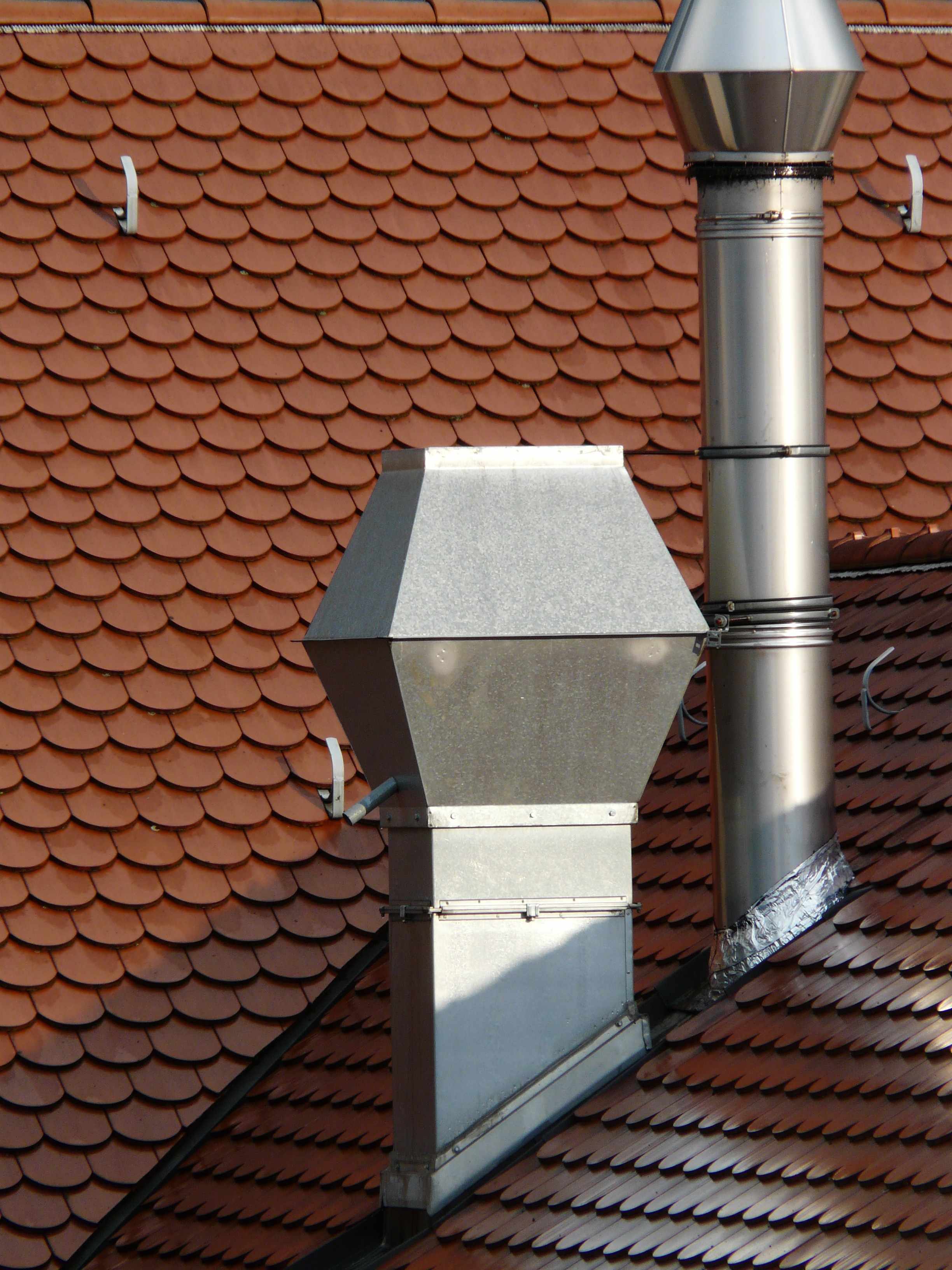
Chimney linings with sheet metal
Chimney Linings With Sheet Metal
A chimney liner is the protective inner layer that guides smoke and hot gases safely out of your home. When a flue is cracked, oversized, or deteriorated, it can allow heat, sparks, and harmful fumes to reach surrounding masonry and timber. Sheet metal chimney linings provide a durable, precisely fitted solution for many open fires, stoves, and boiler flues, especially where the existing chimney structure needs a custom approach.
Our team designs and installs sheet metal liners that match your appliance requirements and your chimney dimensions. We focus on safe draft, clean operation, and long service life, while keeping disruption to a minimum. If your chimney is showing signs of staining, persistent smoke in rooms, unusual odours, or poor draw, a new liner may be the most effective upgrade.
Why Sheet Metal Linings Are a Smart Choice
Not every chimney is a straightforward round flue that accepts a standard rigid pipe. Sheet metal lining allows for tailored shapes and transitions, which is ideal for older masonry chimneys, offsets, and non standard voids. The result is a liner that fits closely, supports steady airflow, and helps your appliance perform as intended.
- Improved safety by separating hot gases from combustible building materials and reducing the risk of chimney fires.
- Better draft and efficiency through a smoother, correctly sized passage that helps smoke exit cleanly.
- Protection for the chimney structure by limiting condensation, acidic deposits, and moisture damage inside the flue.
- Custom fabrication for difficult chimney geometries and bespoke fireplace or stove connections.
Chimneys are exposed to weather at the top and heat from within, so lining work often goes hand in hand with checking the stack, crown, and flashings. If we find related defects, we can coordinate with roof repair specialists to address vulnerable points around the chimney before they turn into leaks.
Our Sheet Metal Chimney Lining Process
We take a measured, methodical approach because correct sizing and installation directly affect safety and performance. Before any fabrication begins, we review the appliance type, fuel, usage pattern, and the condition of the existing chimney. From there, we build a plan that suits your home and complies with relevant safety requirements.
Inspection and preparation
We assess the flue route, identify restrictions, and check for signs of previous chimney fires, heavy creosote build up, or broken masonry. Where needed, we arrange cleaning and remove debris to create a safe working environment. We also inspect the chimney head and surrounding roof junctions because water entry can quickly compromise a liner and the brickwork around it.
Fabrication and installation
Sheet metal liners are produced to suit the measured dimensions and connection points. We form sections to allow a stable fit through the chimney, then install them with secure joints and appropriate supports. The goal is a continuous, gas tight pathway from appliance outlet to the terminal, with smooth transitions that encourage consistent draft.
Sealing, termination, and testing
After fitting, we seal and finish the top termination to support weather protection and stable exhaust. We then check for correct draw and confirm that smoke is moving as it should. If your chimney requires additional weatherproofing at the stack or around flashings, we can recommend roof flashing repair services to prevent moisture issues that can shorten the life of the system.
When You May Need a New Liner
Many homeowners only discover flue problems when performance drops or staining appears. A proactive upgrade can prevent costly structural repairs and improve day to day comfort. Sheet metal linings are often recommended when existing clay liners are cracked, when a chimney has been relined incorrectly, or when a new stove is installed and the flue size no longer matches the appliance.
- Smoke backing up into rooms, especially in calm weather
- Strong soot smells or fumes near the fireplace or stove
- Tar like deposits or rapid creosote build up
- Damp patches on chimney breast walls or visible efflorescence
- Loose mortar, spalling bricks, or visible liner fragments in the fireplace
Because chimney faults sometimes overlap with water ingress from above, we also advise checking the roof area near the stack. Where needed, we can align the scope with roof inspections and repairs to ensure the chimney and roof line work together as a sealed, weather resistant system.
Materials, Compatibility, and Maintenance
Choosing the right metal and thickness depends on fuel type, flue temperatures, and exposure conditions. We select suitable sheet metal and components to withstand heat cycles and resist corrosion from condensates. We also ensure compatibility with the appliance and any existing chimney features, including registers, closures, and terminals.
To keep your chimney operating safely, schedule routine sweeping and visual checks. Even a well fitted liner can be affected by creosote build up, nesting, or moisture. Regular maintenance supports safe ventilation, reduces odours, and helps your heating appliance run more cleanly.
What to Expect When You Book
We provide clear guidance from the first visit to final testing. You will receive an explanation of the proposed lining method, expected timelines, and any preparatory work needed for access and protection of interior finishes. Our installers work carefully around fireplaces and stoves, aim to keep dust controlled, and leave the area tidy.
If you are concerned about chimney safety or want to upgrade your flue for a new appliance, contact us to arrange an assessment and a tailored quote for sheet metal chimney lining that suits your home.
FAQ
Can a sheet metal liner be installed in an older brick chimney with bends?
Yes, sheet metal linings are often ideal for older chimneys because they can be fabricated to suit offsets and non standard shapes. We inspect the flue route first, then design sections that fit securely and maintain a smooth path for smoke.
How do I know if my chimney liner is failing?
Common signs include smoke entering rooms, persistent soot odours, damp staining on chimney breast walls, and excessive creosote build up. A professional inspection can confirm cracks, missing sections, or poor sizing that affects draft and safety.
Do I still need chimney sweeping after a new liner is installed?
Yes, regular sweeping and checks remain essential to remove soot and creosote and to spot blockages early. Maintenance frequency depends on fuel type and usage, but routine servicing helps keep the system safe and efficient.