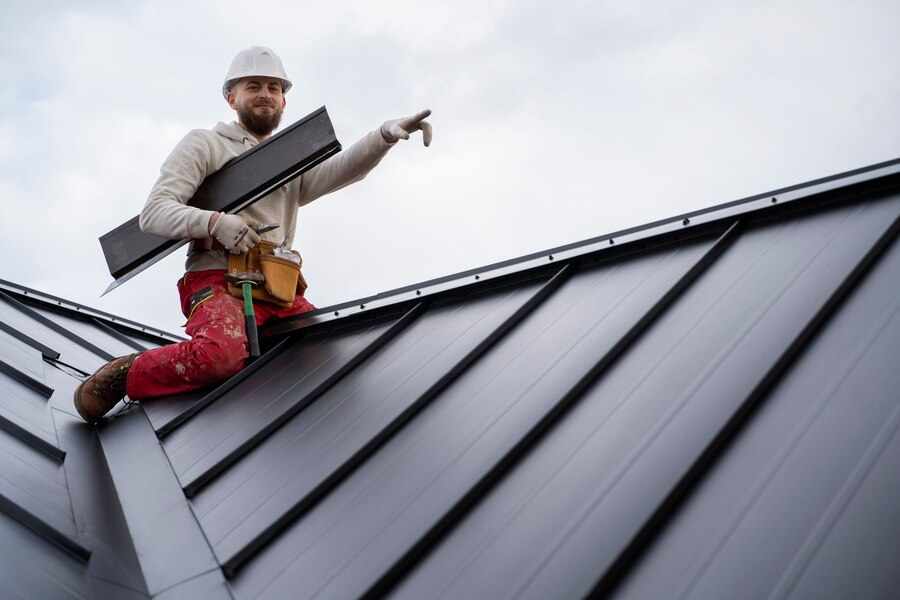
Replacement of tin roof
Replacement of Tin Roof
A tin roof can be a durable, cost effective choice, but age, storms, and hidden corrosion eventually take their toll. If you are seeing recurring leaks, loose panels, rust patches, or increased noise and drafts, a full replacement can be the safest long term solution. Our team replaces tin roofing on homes, extensions, sheds, workshops, and light commercial buildings with careful planning and tidy workmanship.
We focus on doing the job properly from the structure up, not just swapping sheets. That means checking the roof deck and supports, improving waterproofing details, and installing new tin panels with correct overlaps, fixings, and ventilation. The result is a roof that looks sharp, sheds water reliably, and stands up better to wind and seasonal temperature changes.
When Replacement Makes More Sense Than Repairs
Some issues can be addressed with targeted fixes, especially if the roof is otherwise sound. We can advise whether roof repair is suitable, or whether replacement will save you money and stress over time. Tin roofing often fails gradually, so it is important to judge the overall condition, not only the most visible problem spot.
Common signs your tin roof is reaching end of life
- Widespread rust or pitting around laps, fasteners, and valleys
- Repeated leaks that return after patching or sealing
- Loose or missing fixings and panels lifting during windy weather
- Soft decking or sagging areas caused by long term moisture
- Failed flashings around chimneys, skylights, vents, and wall junctions
- Excessive condensation and damp insulation beneath the roof
If the roof has multiple problem areas, replacing the system including flashings and waterproofing layers is usually more reliable than continuing with short term patches. For properties that have already had several interventions, a full replacement can also restore proper drainage and improve indoor comfort.
Our Tin Roof Replacement Process
Every roof is different, so we start with a practical assessment and clear recommendations. We look at panel condition, the integrity of the deck, ventilation, and how water is currently moving off the roof. If you need urgent weather protection before the replacement date, ask about emergency roof repair options to prevent further interior damage.
- Site survey and planning including measurements, access, and safety considerations
- Removal of existing tin sheets with careful handling of debris and fixings
- Inspection of the substrate to identify rotten timber, corrosion, or structural weakness
- Deck and underlay upgrades where needed, to improve water resistance and reduce condensation risk
- Installation of new tin panels with correct spacing, fastening patterns, and overlaps
- New flashings and edge details at ridges, hips, valleys, chimneys, and roof to wall junctions
- Gutters and drainage checks to ensure rainwater is directed away from the building
- Final inspection and tidy up including a walkthrough and maintenance advice
We work to keep disruption low and protect your property throughout the project. If your building is occupied, we plan noisy or high traffic stages carefully and keep access routes clear. Our installers pay close attention to sealing points and fixings, because these small details make the biggest difference to long term performance.
Materials, Options, and Quality Details
Modern tin roofing systems are available in a range of profiles and finishes to suit different buildings. We will help you choose the right thickness, coating type, and colour, balancing durability with budget and appearance. Where appropriate, we can also advise on insulation improvements and ventilation to reduce condensation and improve comfort.
What we can include in your replacement
- Corrosion resistant fasteners chosen for the panel type and local conditions
- Upgraded underlayment for better moisture control and added protection
- Flashing replacement to stop leaks at the most vulnerable junctions
- Ridge and verge details to reduce wind uplift and water ingress
- Improved drainage with gutter alignment and downpipe checks
- Optional rooflight or vent integration with proper sealing and reinforcement
If your current roof has recurring seam issues, fastener back out, or movement related noise, we can adjust installation details and add reinforcement where needed. In many cases, replacing the roof also provides a good opportunity to address underlying causes like poor ventilation, incorrect overlaps, or damaged decking.
Aftercare and Ongoing Support
A new tin roof performs best with simple routine checks. We recommend periodic inspections after severe weather and seasonal cleaning of gutters to prevent water backing up under edges. If you ever need follow up support, our team can provide roof maintenance and targeted fixes to keep everything watertight.
To get started, contact us with a few details about your property and any current issues, and we will arrange an assessment and provide a clear quote with a proposed timeline.
FAQ
How long does a tin roof replacement usually take?
Most residential tin roof replacements take 1 to 3 days, depending on roof size, access, and weather. If we find damaged decking or structural issues, the schedule may extend to allow proper repairs before new panels go on.
Can you replace only part of a tin roof instead of the whole roof?
Yes, partial replacement is possible when the rest of the roof is in good condition and the profile and finish can be matched. We will inspect for hidden rust, weak fixings, and moisture damage to confirm whether a partial approach will be reliable.
What should I do if my tin roof is leaking before the replacement date?
If water is getting inside, place a bucket to protect floors and move valuables away from the leak area. Contact us promptly so we can arrange temporary weatherproofing or an urgent repair to limit damage until the full replacement is completed.