Making Lost Chips
Making Lost Chips for Cars, Vans, and Commercial Vehicles
Losing a chipped key can stop your day in seconds. Modern vehicle keys are not just metal. They contain an electronic chip that must match your car immobiliser before the engine will start. If the chip is missing or incorrect, the car may crank but it will not run, or it may not respond at all.
Our lost chip making service restores access and gets you driving again by creating and programming a new transponder chip and matching it to your vehicle. Whether your keys were lost, stolen, or damaged, we provide a safe, reliable solution that protects your vehicle security while keeping the process as smooth as possible.
What “Lost Chip” Means and Why It Matters
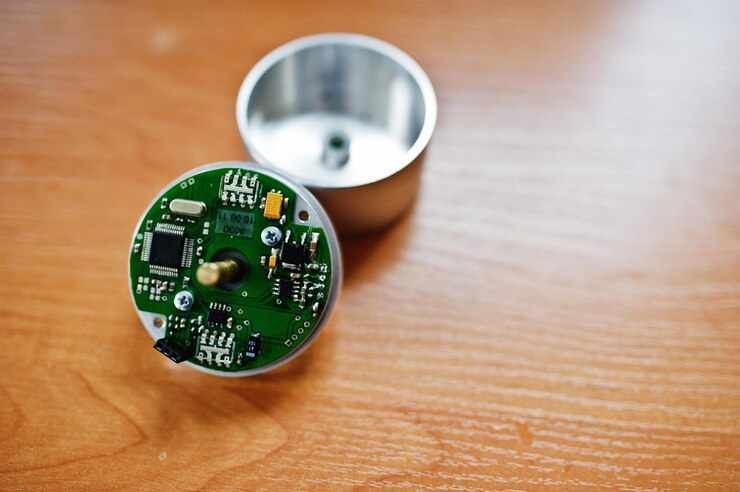
A transponder chip is a small electronic component inside many car keys and remote fobs. When you insert the key or bring the fob near the ignition, the vehicle reads the chip code. If it recognises the code, the immobiliser allows the engine to start. If not, the vehicle stays locked down.
Common situations we help with include lost keys, a spare key that starts the doors but not the engine, water or impact damage to a remote, and keys that were copied without programming. In these cases, simply cutting a blade is not enough. The chip must be created and paired to the car system by a trained technician, often alongside removing any missing keys from memory for security.
If you are not sure whether your key is chipped, we can identify it quickly and advise the best option. Many customers first contact a automotive locksmith after realising a standard key cut will not solve the immobiliser problem.
Our Process for Making a New Chip Key
1. Vehicle and key type assessment
We begin by confirming your vehicle make, model, year, and key system type. Some vehicles use a simple transponder in a plastic head key. Others use remote keys, flip keys, proximity keys, or smart key systems. This step ensures we select the correct chip and programming method.
2. Identity and ownership checks
For safety and legal compliance, we verify ownership before programming. This protects you and prevents unauthorised key creation. If your documents are locked inside the car, we can guide you on what we can accept once access is restored.
3. Key cutting and chip creation
If your vehicle uses a blade key, we cut the key to match your lock. If it is a remote or smart key, we prepare the correct shell and electronics. We then create the correct transponder profile and program it to communicate with the immobiliser.
4. Immobiliser pairing and testing
We synchronise the new chip to your vehicle so it starts reliably. We test the new key for starting, locking and unlocking, and remote functions where applicable. If there are remaining keys, we verify they still work and we can also delete lost or stolen keys from the vehicle memory when possible.
Options Available When All Keys Are Lost
All keys lost is stressful, but it is also one of the most common jobs we handle. Depending on the vehicle, we can generate a working key through a combination of lock decoding, key cutting, and immobiliser programming. In some cases we can program through the diagnostic port. In others, additional steps may be required to access security data safely.
We also provide solutions when you have a key shell but no working chip, or when the chip has failed. If your key is snapping, sticking, or the ignition feels rough, we may recommend addressing the mechanical side too. Many customers combine lost chip making with key cutting services to ensure both the blade and the electronics are correct.
- Lost key replacement with new transponder for most common vehicles
- Remote and flip key programming including button and central locking functions where supported
- Smart and proximity key support depending on vehicle system
- Removal of missing keys from the car memory for better security
- Broken key extraction if part of the key is stuck in the door or ignition
Why Choose Our Lost Chip Making Service
We focus on accuracy, security, and clear communication. Vehicle key systems can be sensitive, so we use proven procedures and test thoroughly before we finish. We also explain your options in plain language so you can decide what is best for your situation and budget.
- Fast response for lockouts and lost keys so you are not stranded
- Security focused approach including key deletion where possible
- Compatibility checks to avoid wasted time and incorrect parts
- Careful handling of vehicle locks, ignitions, and electronics
If you need urgent help, an emergency locksmith can often restore access and arrange the correct chip programming in one visit, depending on your vehicle type.
What to Prepare Before We Arrive
To speed things up, have your vehicle details ready. If possible, note the registration number, VIN, and any information about the missing keys. If you have an existing spare that unlocks doors but will not start the car, keep it available as it can help confirm the system type.
- Proof of ownership and a photo ID
- Vehicle make, model, year, and registration
- Any remaining keys or remotes, even if faulty
- A safe location for programming and testing
Getting a lost chip replaced does not have to be complicated. Contact us to arrange a visit, confirm compatibility, and restore a working key that starts your vehicle reliably.
FAQ
Can you make a new chip key if all keys are lost?
Yes, in many cases we can create and program a new transponder key even with no working key available. The method depends on your vehicle system, and we will confirm what is possible after checking the make, model, and year.
Will a newly cut key start my car without programming the chip?
Usually not. If your vehicle has an immobiliser, the key blade may open the door but the engine will not start until the chip is correctly programmed to the car. We ensure both the cut and the chip match your vehicle.
Can you disable a lost or stolen chipped key?
Often yes. When supported by the vehicle, we can remove missing keys from the immobiliser memory during the programming process. This helps prevent someone else from starting the car with the lost key.