Contact safety (for children)
Safer everyday touch points in your home
Children learn with their hands. That curiosity is healthy, but it also means everyday contact points like sockets, light switches, chargers, and appliances need extra care. Our contact safety service helps families reduce the risk of electric shock and burns by checking and improving the places children can reach and touch.
We focus on practical, lasting measures, not quick fixes. From nurseries and playrooms to kitchens and hallways, we identify hazards, explain what matters, and carry out upgrades that make your electrical system safer for little hands.
What contact safety covers
Contact safety is about preventing accidental contact with live parts and reducing the chance that a fault becomes dangerous. We combine inspection, testing, and targeted improvements so your home is safer without disrupting daily life. When needed, we can coordinate broader electrical safety services as part of a complete home safety plan.
Child focused risk check
We walk through the home at a child’s eye level. That includes low sockets, trailing leads, bedside chargers, extension blocks, and any device that tends to stay plugged in. We also look at high risk areas like bathrooms, utility rooms, garages, and outdoor sockets where moisture and wear raise the danger.
Condition and protection testing
We assess the condition of outlets, switches, and visible wiring and test protection devices where applicable. If we find loose connections, heat marks, cracked plates, or signs of arcing, we explain the risk and recommend repairs. We also check that protective devices trip correctly and that circuits are clearly identified for safer isolation.
Targeted upgrades and safer fittings
Depending on what we find, improvements may include replacing damaged outlets and switches, installing safer outlet types, upgrading protective devices, improving bonding and earthing, or adding weather rated protection outdoors. We aim for neat, durable work that stands up to daily use and reduces the chance of tampering.
Common hazards in family homes
Many electrical injuries happen during normal routines, not during obvious DIY work. Children may pull cords, insert objects into openings, or touch equipment with wet hands. Our service addresses the most frequent causes of unsafe contact, including:
- Loose or worn sockets that no longer grip plugs firmly
- Cracked faceplates and exposed edges around outlets
- Extension leads and multi plugs used as permanent solutions
- Cables pinched under furniture or run under rugs
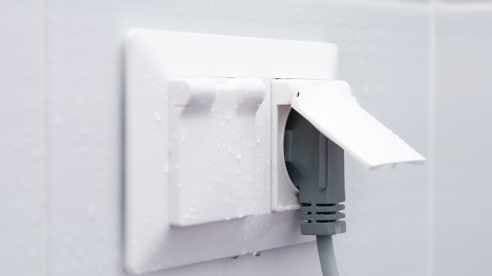
- Unprotected outdoor outlets and garden connections
- Bathroom electrics too close to water sources
- Overloaded circuits causing heat build up at plugs
Where appropriate, we can also advise on safer layouts such as relocating frequently used charging points away from play areas and reducing cable reach. If you are planning changes to rooms or adding new circuits, our electrical installation services can be integrated so the home remains compliant and child safe.
How the service works
Step 1, consultation and priorities
We start by listening. You can tell us the ages of your children, where they play most, and any concerns such as a socket that feels warm, a breaker that trips, or an outdoor outlet used for toys and lighting. We then outline what we will check and what you can expect during the visit.
Step 2, inspection and clear recommendations
We inspect accessible points, check for damage and unsafe wear, and confirm that protection devices are functioning properly. After the assessment, we provide straightforward recommendations, including what needs immediate action and what can be planned for later. You get practical options, not pressure.
Step 3, repairs and improvements
If you approve the work, we complete repairs and replacements using suitable components and safe methods. We keep disruption low, tidy up after the work, and confirm that everything operates correctly. For urgent faults, we can advise on next steps and arrange appropriate emergency electrical services if the situation requires rapid intervention.
Extra guidance for parents and carers
Professional upgrades are most effective when combined with good daily habits. We share practical tips tailored to your home, such as keeping chargers out of reach, unplugging unused devices, and avoiding daisy chained extensions. We can also show you how to safely isolate circuits in an emergency and which signs should prompt a call, like buzzing, burning smells, repeated tripping, or discoloration around sockets.
Whether you have a new baby, an adventurous toddler, or older children who use more devices, contact safety improvements provide peace of mind and a safer environment for everyday learning and play.
FAQ
What signs suggest a socket or switch is unsafe for children?
Watch for loose plugs, cracked plates, buzzing sounds, heat, or discoloration around the outlet. If a breaker trips repeatedly or you smell burning, stop using the point and arrange an inspection promptly.
Do you need to turn off power during contact safety work?
Some checks can be done with minimal interruption, but certain repairs and testing require isolating circuits for safety. We will explain what needs to be switched off and for how long before we begin.
Can you make outdoor outlets safer for kids who play in the garden?
Yes. We can assess weather protection, location, and condition, then recommend improvements such as suitable covers, safer fittings, and correct protective devices. We also advise on safe use of outdoor leads and seasonal equipment.