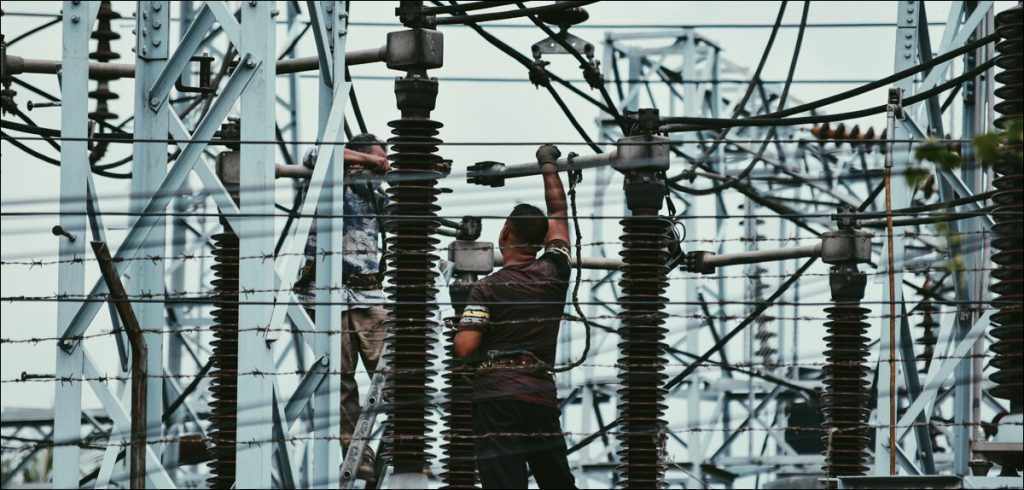
Elimination of electricity theft

Elimination of electricity theft

Protecting your power supply and your property

Electricity theft can put people at risk, damage equipment, and create unfair costs for homeowners, landlords, and businesses. Illegal connections and meter tampering often lead to overheating, arcing, and hidden faults that can trigger fires or repeated outages. Our team helps you identify suspicious activity, make the installation safe, and restore accurate metering and billing. We handle the process discreetly and professionally, with clear reporting and practical steps to prevent it from happening again.

How we identify theft and safety hazards

Power diversion is rarely obvious. It can be hidden in meter cabinets, distribution boards, risers, service rooms, or within ceiling voids and shared ducts. We start with a structured inspection to separate normal load patterns from abnormal consumption and to locate any unsafe modifications.

On site assessment and evidence based checks

  • Visual inspection of meters, seals, enclosures, and cable routes for signs of forced entry, bypass wiring, or overheating.
  • Load testing to compare measured current and expected demand, helping pinpoint unmetered circuits.
  • Targeted electrical troubleshooting to trace where power is flowing and identify concealed connections without unnecessary disruption.
  • Thermal and condition checks to find hot spots, loose terminations, and insulation damage that often accompany tampering.

If you need a wider scope of support alongside theft elimination, we can coordinate it within our professional electrical services offering, so faults and compliance issues are resolved together rather than piecemeal.

Elimination, correction, and safe restoration

Once theft or tampering is confirmed, the priority is to remove the illegal connection and return the electrical system to a safe, compliant condition. We work carefully to avoid collateral damage and to preserve any relevant evidence for building management, insurers, or authorities where applicable.

Typical corrective actions

  1. Isolation and make safe of affected circuits to prevent shock, fire, and equipment damage.
  2. Removal of bypasses and unauthorized wiring including hidden spurs, altered tails, or direct connections upstream of the meter.
  3. Repair of damaged components such as burnt terminals, compromised breakers, melted insulation, or corroded enclosures.
  4. Restoration of proper metering and verification that all loads are correctly routed through approved measurement points.
  5. Functional testing to confirm polarity, earthing integrity, protective device operation, and stable supply under load.

Where appropriate, we can also implement preventative upgrades like improved meter cabinet security, tamper resistant enclosures, clearer circuit segregation, and labeling to reduce opportunities for interference. For properties requiring ongoing support, our electrical maintenance services can include periodic inspections that quickly flag unusual changes.

Who this service is for

Electricity theft can occur in many settings, from shared residential blocks to commercial units with multiple tenants. We adapt our approach to the access constraints, occupancy patterns, and operational needs of each site.

  • Homeowners who suspect a neighbour connection, unexplained bill spikes, or repeated tripping and overheating.
  • Landlords and property managers dealing with shared services, vacant units, or tenant turnover where tampering risk increases.
  • Commercial facilities such as shops, warehouses, and offices where unauthorized taps can affect critical loads and insurance compliance.
  • Construction and refurbishment sites where temporary supplies are vulnerable to unapproved extensions and unsafe distribution.

When urgent action is required due to burning smells, sparking, hot meter tails, or repeated circuit breaker trips, we can respond as emergency electrical services and make the installation safe before completing repairs and verification.

What to expect and how to prepare

We aim to keep disruption minimal while ensuring the work is thorough and documented. Before arrival, note any changes in bills, outage timing, or areas where heat or noise has been noticed. If the meter is in a shared area, arrange access to cupboards, risers, and plant rooms, and advise building occupants that there may be short isolations for safe testing.

After the visit, you receive clear findings, the corrective work performed, and recommendations to strengthen security and reduce future risk. If the issue involves multiple parties, we can provide practical guidance on next steps, including what information is useful for utilities, building management, or insurers, while keeping the focus on safety and proper restoration of the electrical system.

Electricity theft is not just a billing problem, it is a serious safety threat, and our job is to remove the risk, restore compliance, and help you regain control of your power supply with confidence.

FAQ

What signs suggest electricity theft or meter tampering?

Common signs include sudden bill increases, frequent breaker trips, hot meter cabinets, buzzing sounds, or unusual wiring near the meter. Sometimes the only clue is abnormal load readings during testing. If you suspect danger like burning smells or sparking, isolate power if safe and call for urgent help.

Will you need to turn off the power to investigate and fix the issue?

In many cases, yes, short isolations are required to test safely and remove unauthorized connections. We plan outages to minimize disruption and restore supply as soon as testing and repairs are complete. Critical circuits can often be managed with a staged approach where site conditions allow.

Can you provide documentation for insurers or property management?

Yes, we can provide a written record of findings, the corrective actions taken, and the safety tests performed. This helps demonstrate that hazards were addressed and the installation was returned to proper operation. If further upgrades are recommended, we can include them as an itemized scope.