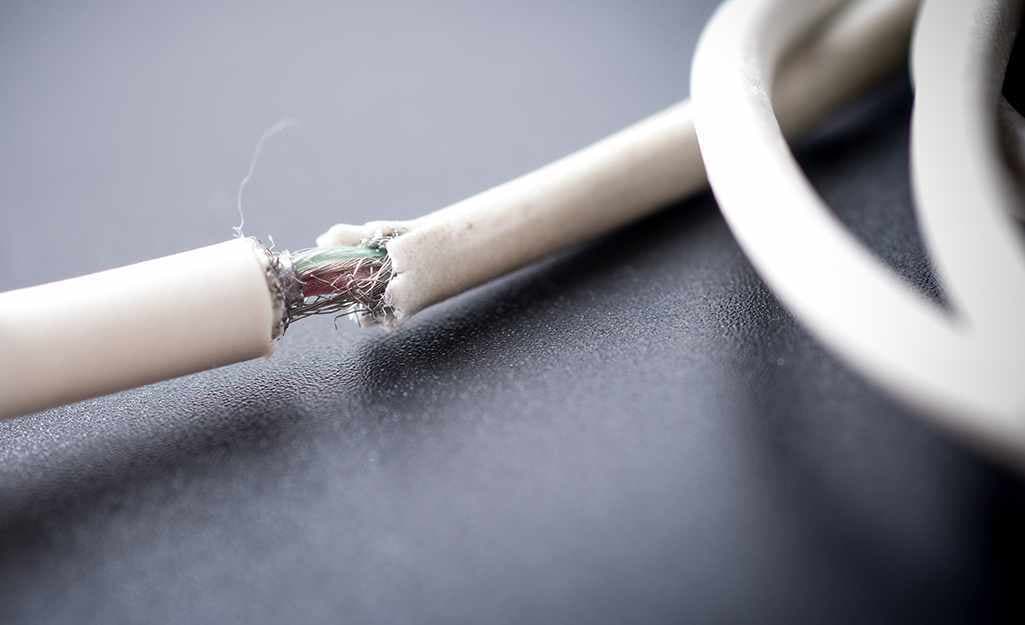
Replacement of defective wires
Safe wiring starts with the right repair
Damaged or defective wires are one of the most common causes of power issues and electrical hazards in homes and businesses. Frayed insulation, loose conductors, overheated cables, and poor past repairs can lead to flickering lights, tripped breakers, burning smells, or complete loss of power to circuits. Replacing defective wiring is not only about restoring electricity, it is about protecting people, property, and connected equipment.
Our electricians locate the fault, identify the cause, and replace the affected wiring using suitable materials and compliant methods. Whether the problem is limited to a single cable run or involves multiple circuits, we work carefully to minimize disruption while keeping safety as the priority.
When wire replacement is necessary
Some wiring problems can be repaired at a junction or device, but many situations require full replacement of the affected conductors. If you notice recurring issues, it is best to arrange an inspection before the damage spreads or causes overheating.
- Visible damage such as cracked insulation, exposed copper, melted sheathing, or gnaw marks from pests.
- Heat signs including warm outlets, scorched switch plates, or a faint burning odor near cables or fixtures.
- Unstable power like frequent breaker trips, dimming lights when appliances start, or outlets that stop working intermittently.
- Water related issues after leaks, flooding, condensation, or outdoor moisture intrusion affecting wiring routes.
- Old or unsuitable cabling that no longer matches the load, environment, or safety expectations for the space.
If any of these apply, we can assist through our electrical troubleshooting and repair process, then recommend the safest scope of replacement.
How we replace defective wires
Assessment and fault finding
We begin by discussing symptoms and checking the affected circuit path. Testing may include verifying continuity, insulation condition, polarity, earthing integrity, and load behavior. We also inspect associated components such as outlets, switches, junction boxes, lighting points, and the consumer unit, since a defective wire is often linked to a loose termination or overloaded section.
Safe isolation and preparation
Before any work starts, we isolate power at the correct point and confirm the circuit is dead. We protect nearby finishes and plan access, for example through trunking, conduit, ceiling voids, wall cavities, or external runs. If access is limited, we propose practical options that reduce building work while keeping the wiring protected and compliant.
Replacement and termination
We remove the damaged cable section and install new conductors of the proper type and size for the circuit and environment. Terminations are tightened correctly, connections are made in appropriate enclosures, and cable routes are secured to prevent strain, abrasion, or future overheating. Where needed, we upgrade accessories and connectors to match the replacement, ensuring a reliable fit and safe contact surfaces.
Testing and verification
After replacement, we retest the circuit and verify stable operation. We check that protective devices respond correctly and that the repaired circuit performs safely under expected load. For clients who want a broader review, we can combine the work with electrical safety services to identify other risk areas before they become urgent.
Residential and commercial wire replacement
Different buildings call for different approaches. In homes, the focus is often on minimizing disruption and ensuring safe use of everyday appliances. In commercial settings, reliability and downtime reduction become critical, especially where equipment, lighting, refrigeration, or IT loads are involved.
- Homes and apartments including kitchens, bathrooms, outdoor circuits, lighting loops, cooker feeds, and socket circuits.
- Offices and retail where failures can affect productivity, POS systems, signage, or customer areas.
- Workshops and light industrial with higher demand and increased exposure to vibration, heat, or mechanical wear.
- Landlord and property management addressing tenant reports quickly and documenting corrective actions.
We can also coordinate repairs around your schedule, including urgent callouts where a fault creates an immediate safety concern. If you need broader support beyond the faulty section, explore our electrical repair services for additional options such as outlet replacement, breaker issues, and circuit upgrades.
What to expect when you book
Clear communication and tidy workmanship are part of the service. You will receive a straightforward explanation of what failed, what needs to be replaced, and why. We will also point out any related issues we find, such as overloaded circuits, poor previous joints, or moisture risks, so you can make informed decisions.
- Initial discussion of symptoms and inspection of the affected area.
- Testing to confirm the fault location and the safest repair plan.
- Isolation, replacement of defective wiring, and secure termination.
- Final testing and functional checks to confirm stable performance.
Defective wires rarely improve on their own, so arranging a professional replacement early is the simplest way to restore dependable power and reduce the chance of overheating or further damage.
FAQ
What are the warning signs that a wire needs replacing?
Common signs include burning smells, warm outlets, flickering lights, repeated breaker trips, or visible insulation damage. If the issue repeats after resetting a breaker or changing a device, the wiring should be inspected.
Can you replace only the damaged section of a cable, or does the whole circuit need rewiring?
Often we can replace only the faulty run if the rest of the circuit tests correctly and the cable type is suitable. If we find widespread deterioration, undersized wiring, or multiple weak points, we will recommend a wider replacement for safety.
Will replacing defective wires require opening walls or ceilings?
Not always. Many cable runs can be accessed through existing conduit, trunking, attic spaces, or service voids. If opening a surface is necessary, we will explain the access points in advance and aim for the least disruptive option.