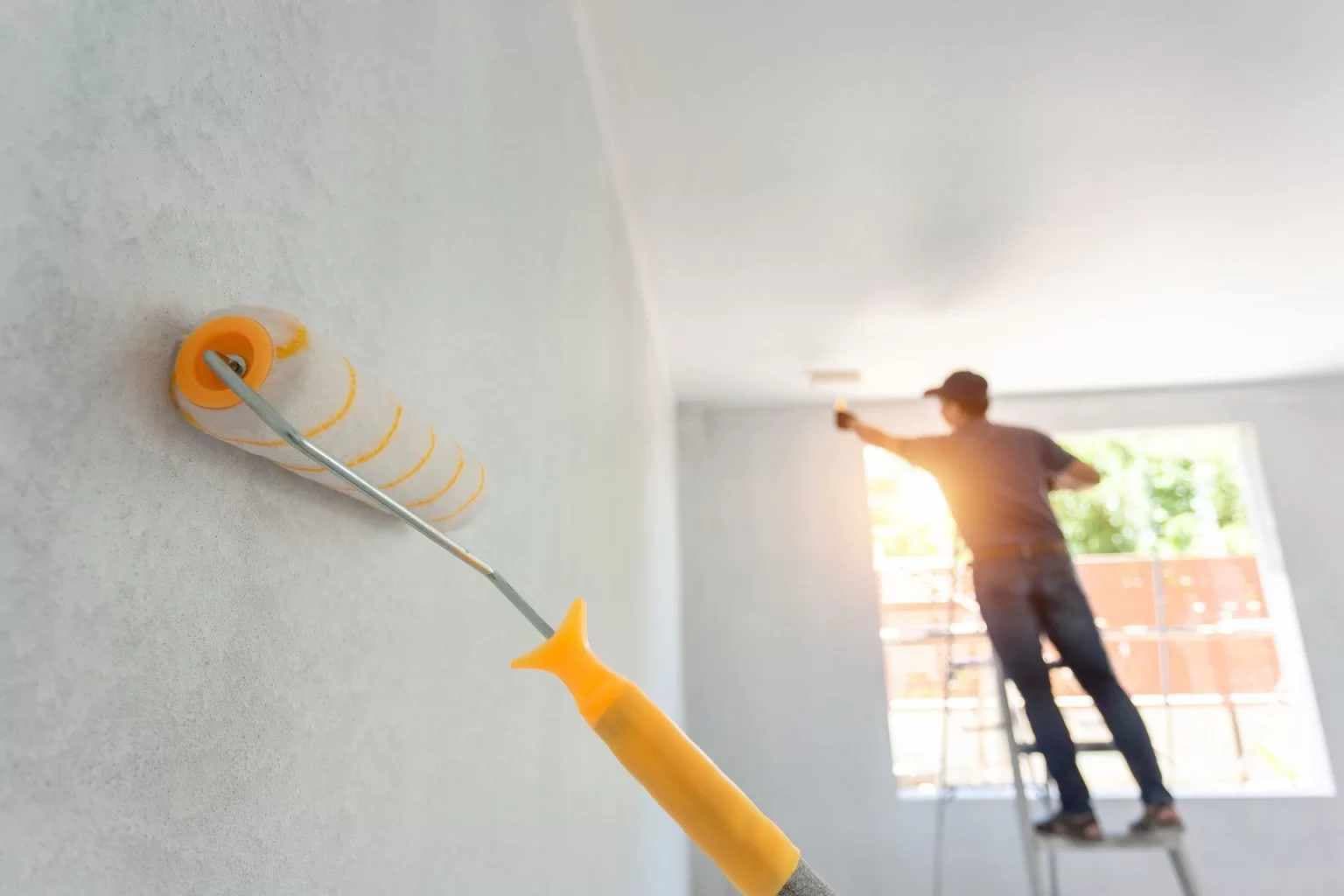
Priming

Priming

Priming for a Flawless Paint Finish

Priming is the step that makes paint look even, last longer, and adhere properly. It is not just an extra coat. A quality primer creates a stable base, improves coverage, and helps prevent common problems like patchy sheen, peeling edges, and stains bleeding through. Whether you are repainting a single room or renovating an entire property, correct priming is the foundation for a clean, professional result.

Our priming service focuses on choosing the right product for your surface and preparing the wall or ceiling so the primer performs as designed. We work with new plaster, previously painted walls, timber, metal, and repaired areas where filler and skim coats can otherwise show through the final colour.

What Priming Does and Why It Matters

A primer is designed to bond to the surface and provide the ideal layer for paint to grip. This is especially important when surfaces are porous, uneven, glossy, or recently repaired. Priming can also reduce the number of finish coats needed, saving time and helping achieve a uniform colour.

  • Improves adhesion so topcoats are less likely to peel or flake
  • Seals porous surfaces like new plaster or patched areas to prevent dry, dull spots
  • Blocks stains from water marks, nicotine, soot, or tannins in timber
  • Creates an even base for consistent sheen across walls and ceilings
  • Supports durability in high traffic rooms and moisture exposed spaces

If you are planning broader decorating work, our priming can be coordinated with painting services so the entire system, primer plus topcoat, is compatible and performs well.

Our Priming Process

1. Surface inspection and preparation

Before primer is applied, we assess the surface condition and identify issues that can compromise the finish. That includes flaking paint, hairline cracking, chalky residue, damp spots, and uneven repairs. Preparation typically involves cleaning, dust removal, sanding, and careful masking of adjacent areas.

Where needed, we carry out small repairs to create a stable base. This can include filling, smoothing, and targeted sanding to remove ridges and visible transitions between old paint and repairs.

2. Selecting the correct primer

No single primer suits every wall. We match products to the surface and the final coating system. For example, a stain blocking primer is used for persistent marks, while a bonding primer is better for glossy substrates. For new plaster, we use a primer designed to control suction and prevent uneven drying.

3. Application with consistent coverage

We apply primer by brush, roller, or spray depending on access, surface texture, and required finish. Edges and cut in lines are treated carefully so the topcoat blends smoothly. Coverage is checked under good lighting to make sure the surface is sealed evenly, especially around repairs and high suction areas.

4. Drying time and readiness for topcoats

Primers need the correct drying and curing time to perform properly. We plan the schedule so the surface is ready for painting without rushing, which helps avoid adhesion issues. When priming is part of a full project, we can continue directly into interior painting services with compatible paints for the best finish and durability.

When You Should Prime and What We Can Handle

Many surfaces benefit from priming, but some situations make it essential. If you skip primer in these cases, the final coat can look uneven or fail sooner than expected.

  • New plaster and drywall where suction differences cause patchy colour
  • Repaired walls with filler, skim coats, or sanded areas that flash through paint
  • Colour changes from dark to light shades or strong colours that need extra coverage
  • Stained surfaces from leaks, smoke, grease, or mould history
  • Glossy or hard surfaces like oil based paint, varnished timber, or coated trims
  • Exterior substrates that need a stable, sealed base before protective coatings

We prime for residential and commercial environments, including kitchens, bathrooms, hallways, offices, and rental turnarounds. If your project also includes finishes beyond standard paint, we can plan priming as part of painting and decorative plasters where substrate preparation is critical for premium results.

Quality Controls and Clean Work

Priming should be tidy, controlled, and consistent. We protect floors and fittings, keep edges sharp, and ensure good ventilation during application. After priming, we check for raised fibres, dust nibs, and visible imperfections, then lightly sand where needed to keep the final finish smooth.

If you are unsure whether your surface needs primer or which type is appropriate, we can assess the area and recommend the right approach based on the substrate, the room conditions, and the finish you want. Proper priming is the difference between a paint job that simply looks good on day one and one that stays looking right over time.

FAQ

Do I always need primer before painting?

Not always, but primer is strongly recommended on new plaster, patched areas, glossy surfaces, and when covering stains or changing from dark to light colours. It helps the paint bond and prevents uneven sheen or patchy coverage.

How long should primer dry before painting over it?

Drying time depends on the product, temperature, and ventilation, but many primers are ready for topcoat within a few hours. We follow the manufacturer guidance and check the surface so the topcoat goes on at the right time for proper adhesion.

Can primer cover water stains and smoke marks?

Yes, with the correct stain blocking primer. We first confirm the stain source is resolved, then apply a suitable primer to lock in the mark so it does not bleed through the finish coat.